Concealed Carry for Plus Size Women: Comfort and Concealment
Posted by Sarah Hauptman on Jul 14th 2026
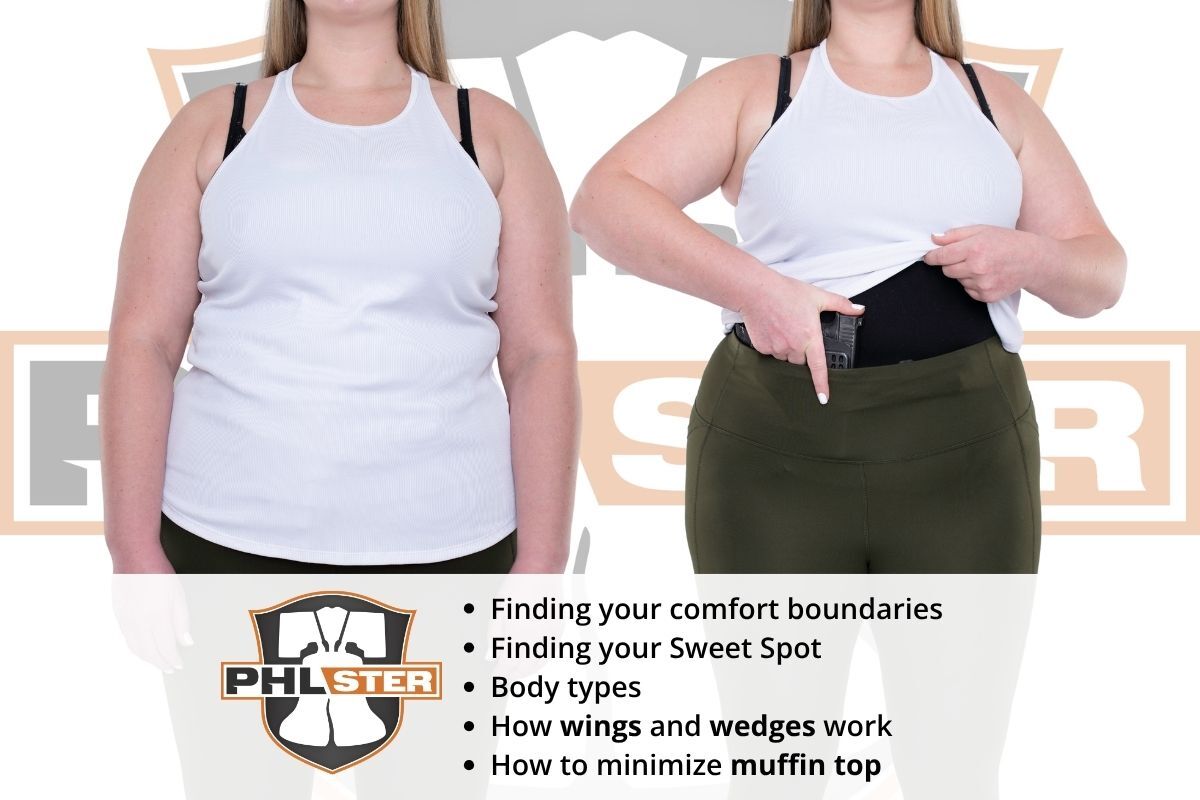
If you're a plus size woman struggling with concealed carry, you're not alone. Comfort and concealment problems show up differently on a bigger body, and most concealed carry advice isn't given from a realistic perspective. We're going to walk through some easy practical fixes: finding your Sweet Spot, working with your specific shape instead of fighting it, and using the tools that actually solve printing and muffin top.
This article is written for you specifically, but the system underneath it is the same one we teach everyone. If you want the complete concealment system, positioning, and gear breakdown, see our complete guide to concealing a gun comfortably and safely.
Every body carries differently. The photos below show real body types, but yours might look a little different. The principles you'll learn work regardless of your specific shape.
At PHLster, we don't do body shaming, hype, or salesmanship. We're here to share what we've learned helping people carry, across every body type, for over a decade. Our advice is based on simple physics principles that anyone can learn, and it works regardless of holster brand. Wherever you're at, we'll help you carry safely and comfortably.
A note on language: we use terms like "plus size," "FUPA," "muffin top," and "apron belly" in this article because that's what people actually search for when troubleshooting these problems. We're not calling names, we're just trying to be findable. If you've ever described yourself in any of these ways, this article is for you: plus size, overweight, mom belly, fluffy, FUPA, muffin top, apron belly, busted can of biscuits.
- Why Traditional Advice Doesn't Work Well for Women
- Start by Finding Your Comfort Boundaries
- Find Your Sweet Spot
- Body Type Starting Points: Apple, Pear, or Hourglass
- Your Body's Concealment Advantages
- The Best Holster Features for Plus Size Concealed Carry
- Clothing and Belt Line
- Fixing Muffin Top
- Pay Attention to Skin Health
- Know Your Body and Your Health
- You're Not Alone
Why Traditional Concealed Carry Advice Doesn't Work Well for Women
Most concealed carry advice starts with putting the gun on your belt or waistband, usually demonstrated by a slender woman who looks like she just stepped out of a fashion magazine, twirling in front of a mirror. But when you place the gun on your own curvier body, it sticks out and prints badly. It's immediately clear that her advice won't work for you. At this point, it would be easy to think your body is the problem. It's not. I promise.
Hang in there. Not only will this article teach you how to conceal on YOUR body type, we'll also show you how your body can give you concealment advantages skinny girls can only dream about.
The first order of business is gun placement, or carry position. Curved shapes benefit from a more strategic, intentional approach to gun placement than just plopping it wherever your waistband happens to land. For plus size women especially, the waistband is not always at the right height for best concealment. It's often the spot where your clothes pull the tightest, providing little natural clothing drape to disguise the gun. And if your pants waistband falls below an apron belly, it's definitely a mistake to put the gun there. Finding your own ideal gun placement starts with a simple self assessment.
Start by Finding Your Comfort Boundaries
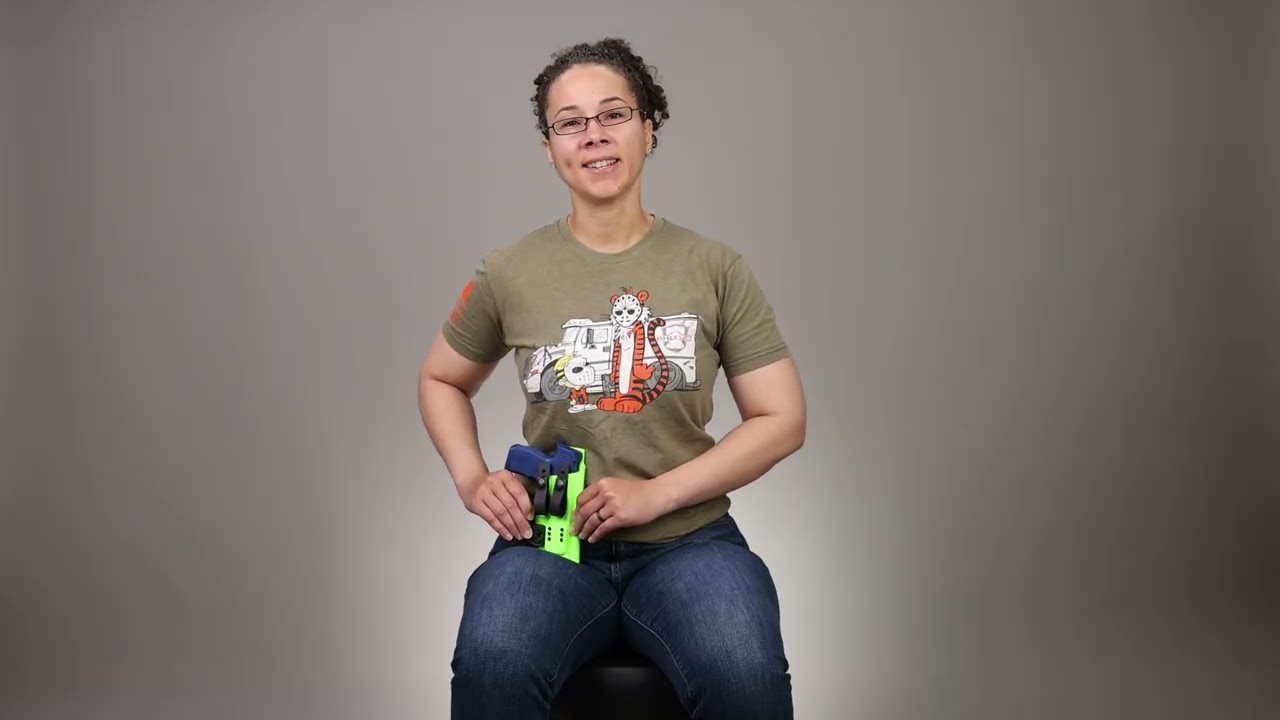
Start seated. Move your unloaded, holstered gun across your stomach in small steps, paying attention to where your legs bend. When the gun presses uncomfortably into your leg, that's a boundary. Your carry position should sit higher than that point.
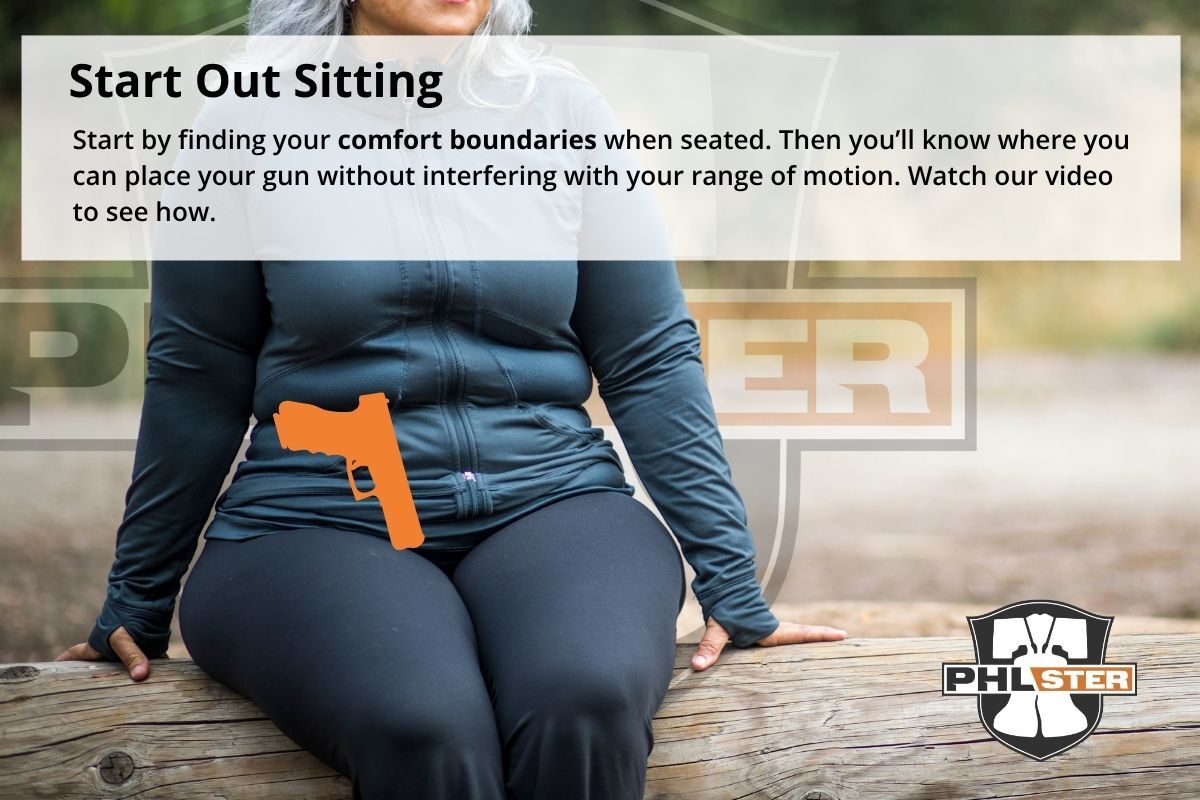
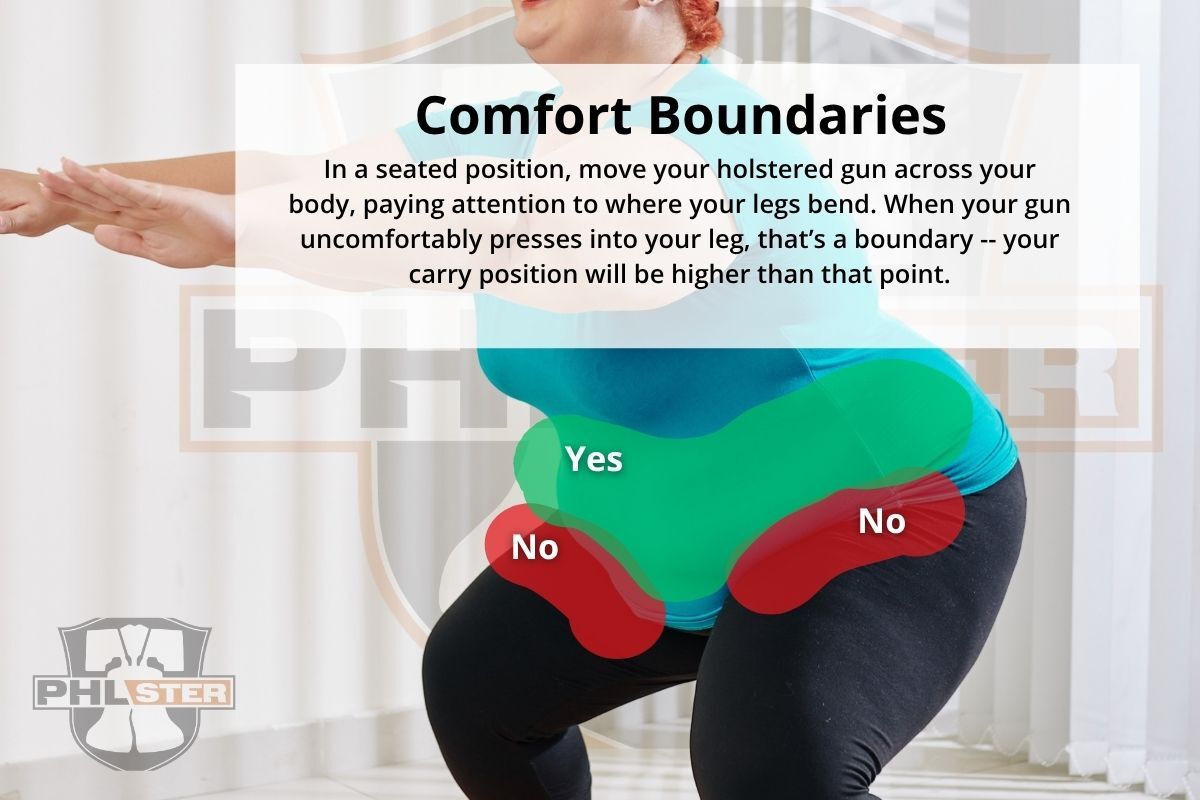
Most people's boundaries form a V shape across the pelvis, but every body is different, so you'll need to find yours by trying it yourself. Watch the video below to see the process.
Find Your Sweet Spot
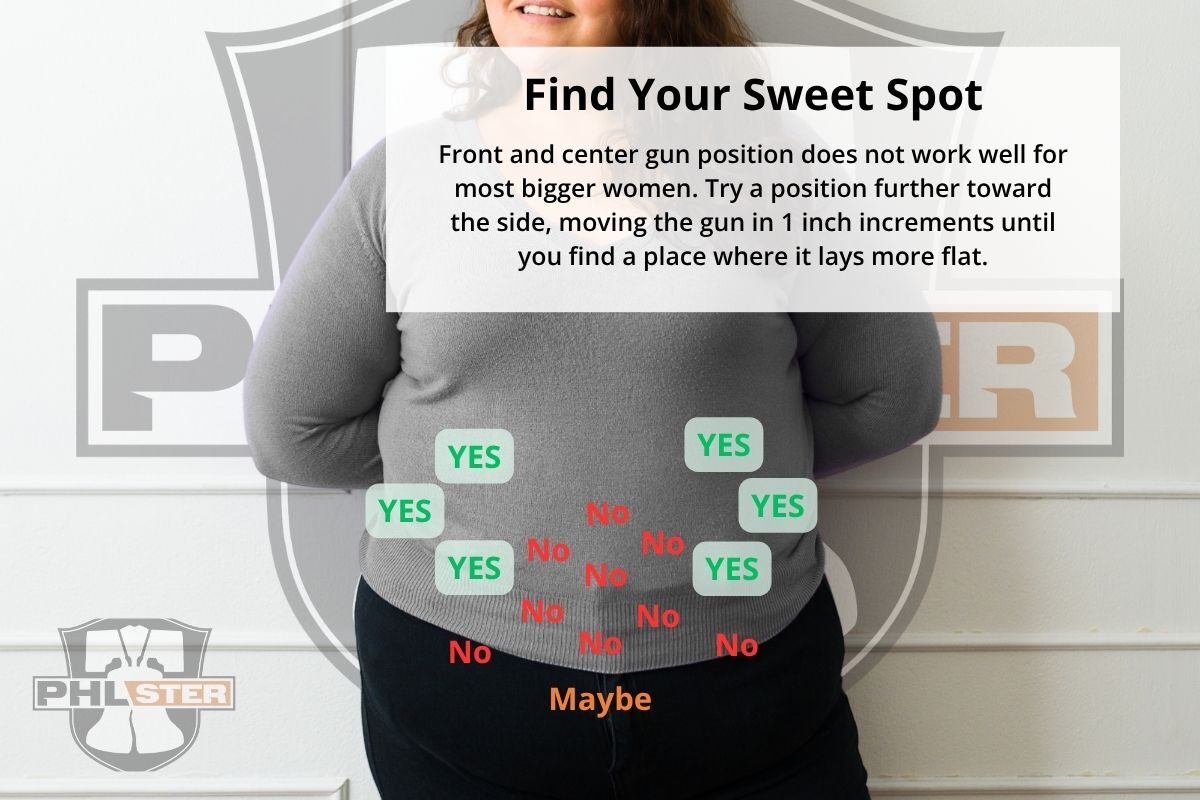
Most women quickly discover that a front-and-center appendix carry position doesn't work well on a curved tummy. This is usually the spot where clothing is stretched tightest, even before adding the gun. But that doesn't mean appendix carry can't work for you at all.
"Appendix carry" is actually a broad label with a lot of possible variation. Moving the gun an inch to the side can be the difference between successful concealment and printing. Give these techniques a try before dismissing appendix carry as impossible.
To start, look down at your body. (Use your phone camera or mirror if your bust is in the way.) Pay attention to the shape of your body's natural curves.
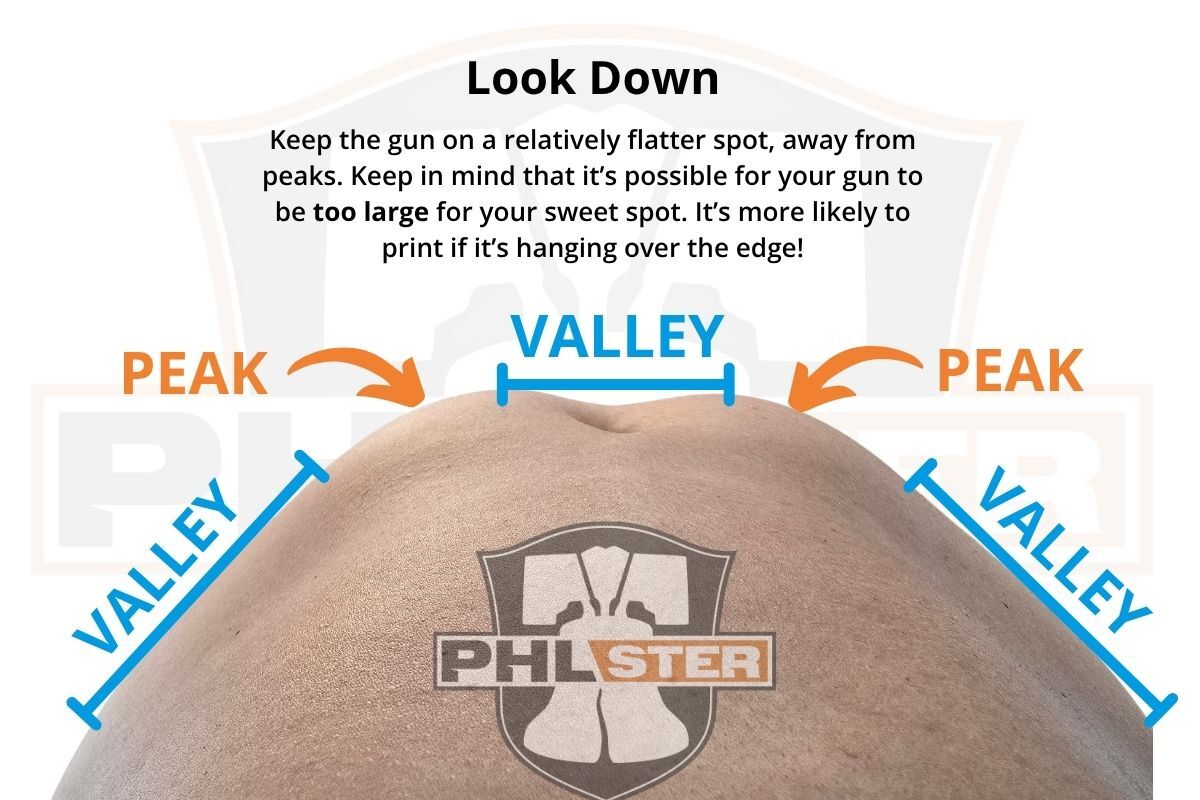
To find your Sweet Spot, imagine your body as a landscape. Keep the gun away from peaks, and look for relatively flatter valleys where the gun can nestle into your clothing drape. The process of finding your Sweet Spot is covered in detail in our full Sweet Spot guide. We won't repeat it all here, but we have some tips specific to plus size female body shapes. At first, you will feel like you're all peaks, no valleys. This is normal! Remember, you're not looking for a perfectly flat spot, just a relatively flatter curve. Use mirrors and your phone to your advantage as you assess.
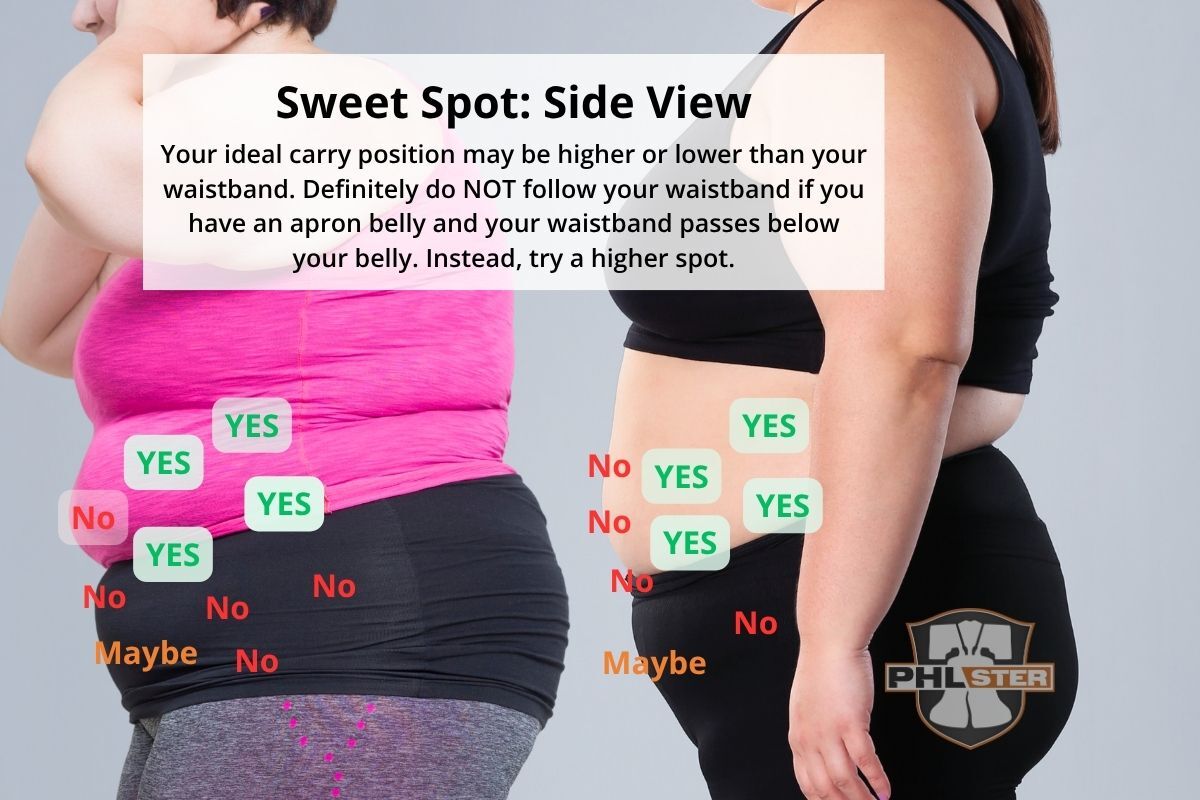
- Try a spot around the height of your belly button, but off to the side (photos below)
- Move the gun in small, half-inch increments to see where it lays flattest
- Avoid your equator
- If you have clothing drape from your bust, use that to your advantage
- Make sure your gun isn't too big for your Sweet Spot
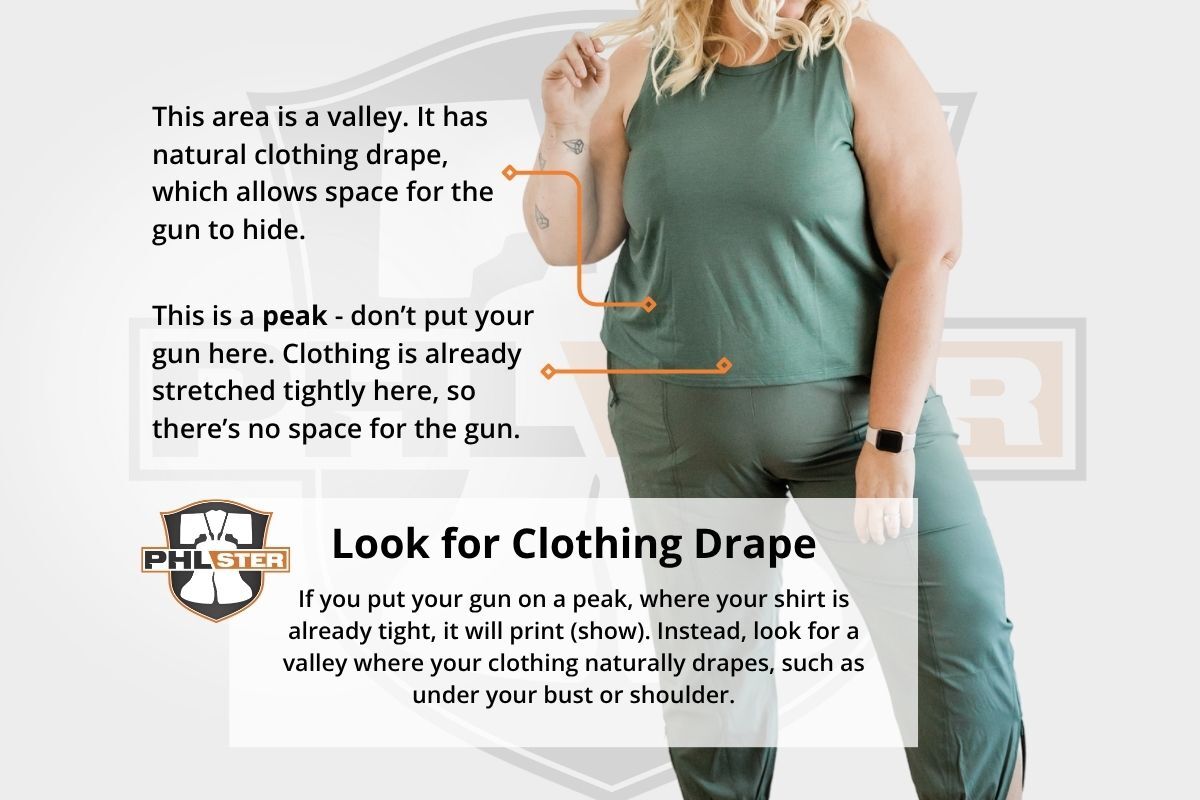
When Front-and-Center Gun Position (Sometimes) Works
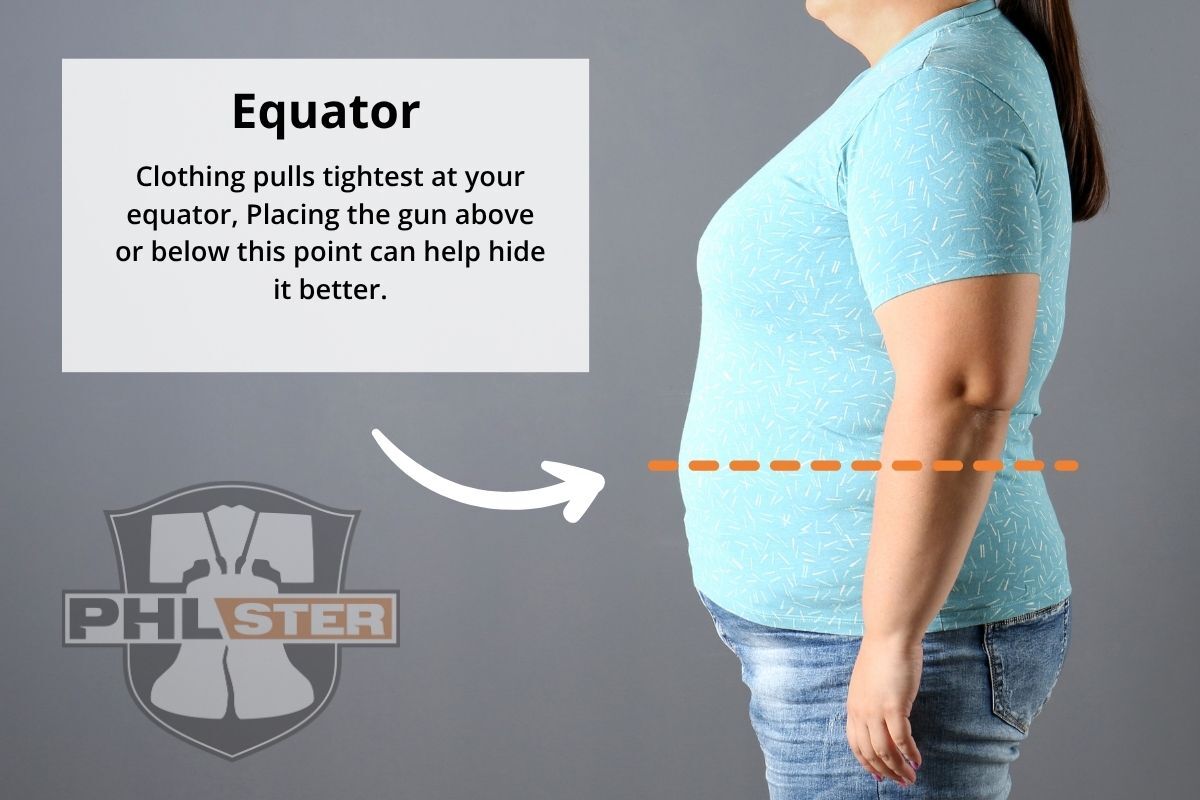
If you have a rounder belly shape, imagine where your "equator" would be if it were a globe. Carrying the gun above or below that point will help use your clothing drape to your advantage. Carrying below the equator works best if your equator is relatively high. If it's lower, you'll run out of room for the gun and wind up hitting your comfort boundaries.
Note: If the grip of your gun ends up below your waistband, pay attention to the draw technique and extra safety considerations that come with deep carry.
What About Strong Side Carry for Women?
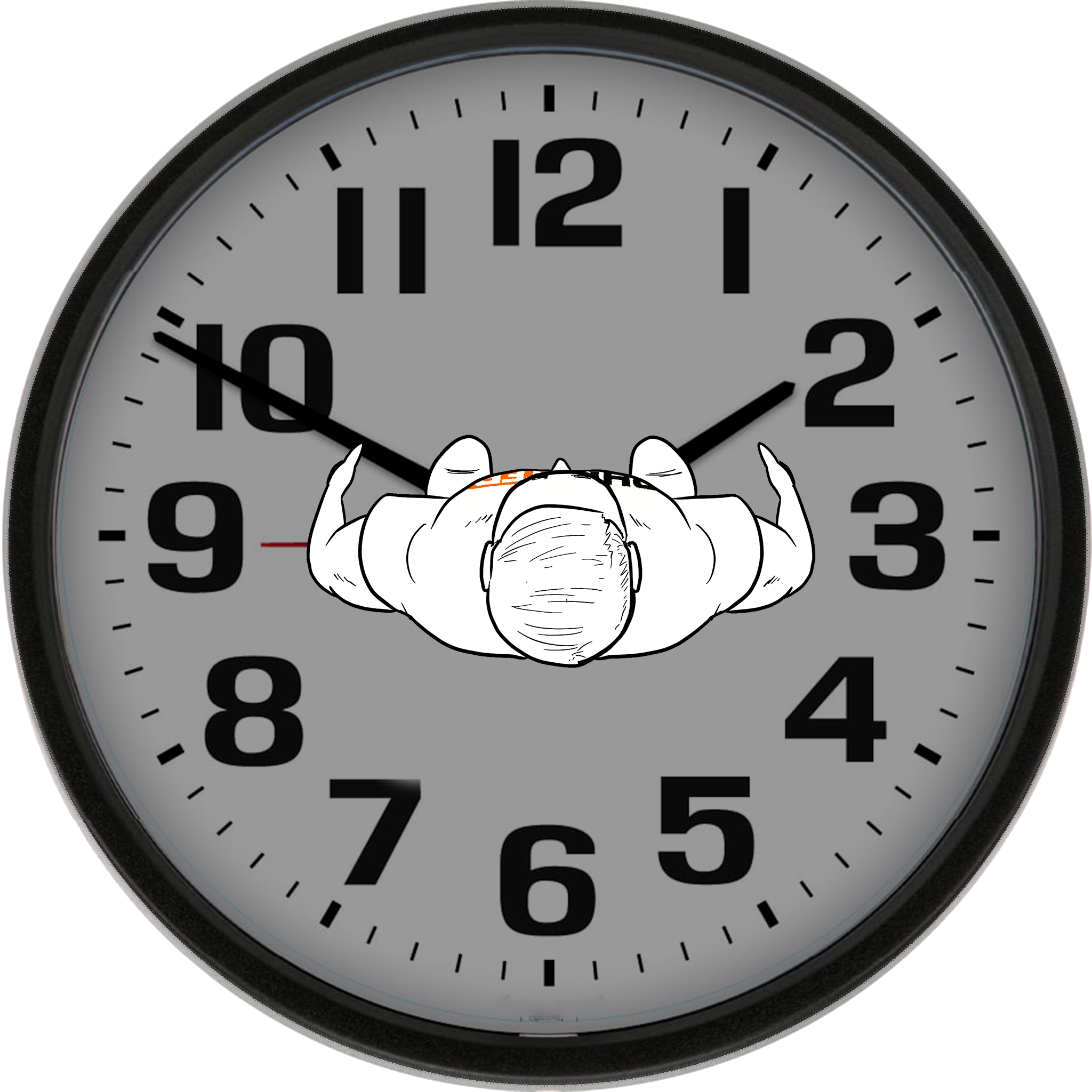
As you experiment with finding your Sweet Spot, you may find that your ideal carry position is further toward your side than you thought. Some women find their flattest valleys are further toward 2:30 or even 3:00 (for a right handed carrier). If you go far enough to the side, you may blur the line between appendix carry and strong side carry. That's okay! Your own assessment of your body will determine your best carry position, not anyone else's opinion.
Just know that carrying strong side requires different holster features than appendix carry. You can learn more about strong side holster features in our complete guide to strong side carry.
Body Type Starting Points: Apple, Pear, or Hourglass
These body type guides are designed to help you get started. They illustrate where to find the concealment Sweet Spot on women with similar builds. Use them to save time, but don't be afraid to try other places. Most body types have more than one possible Sweet Spot. When you find the carry position you like, try your holster around the house first before going out.
Whatever position you choose, make sure you can still get a good draw. Deep carry (with the gun below the waistband) may also be possible on some body types. Before trying it, review our safety and draw technique resources first.
Apple

Apple shapes have a rounder profile, with a midsection that's wider in the middle than at the shoulders or hips. If you feel like your whole stomach is peaks with no valleys, that's normal! Nearly everyone feels that way at first. You don't need a perfectly flat spot, just an area that's relatively flatter than the curves around it.
To start out, I recommend trying a Sweet Spot around the level of your belly button, but off to the side. And don't be afraid to go higher; some women find their best Sweet Spot is under their bust. Pay close attention to where your clothing drapes, and remember you can create extra drape with style choices rather than wearing tight or clingy clothing.
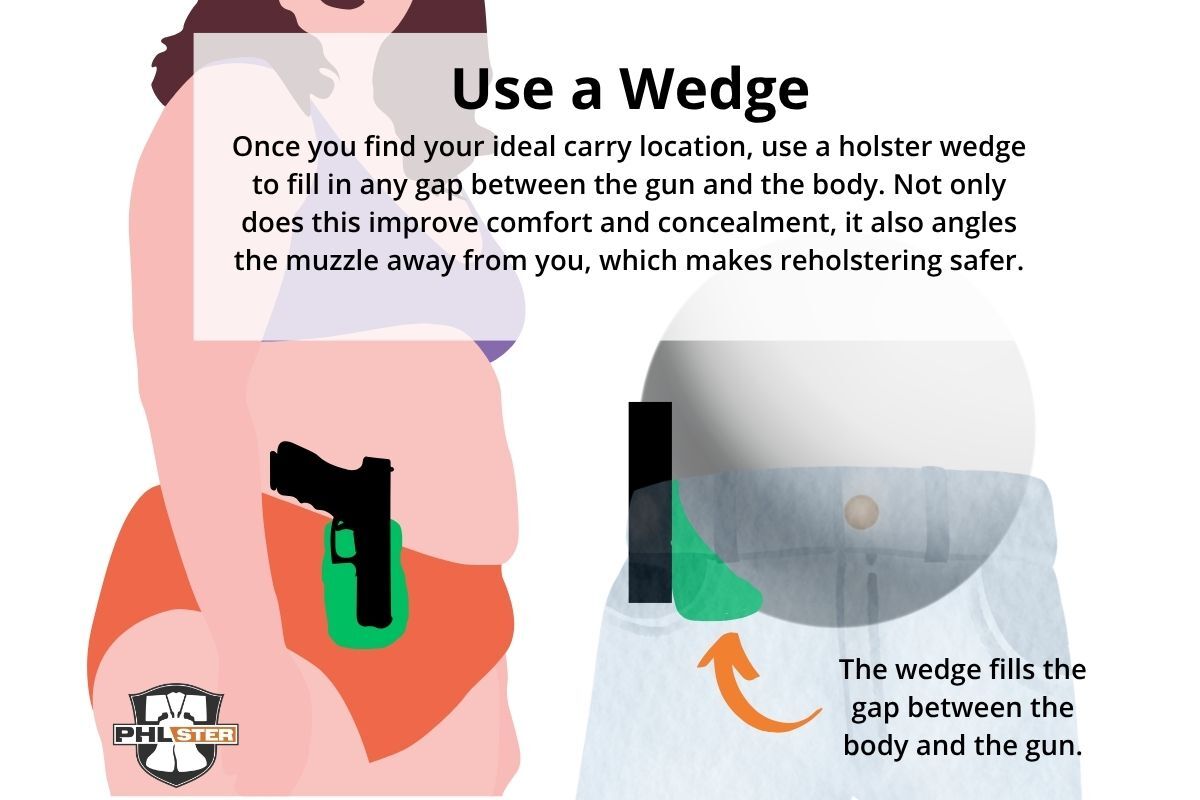
Apple-shaped body types will frequently benefit from a holster wedge, which helps the gun lay flatter by filling any gaps at the bottom.
Pear
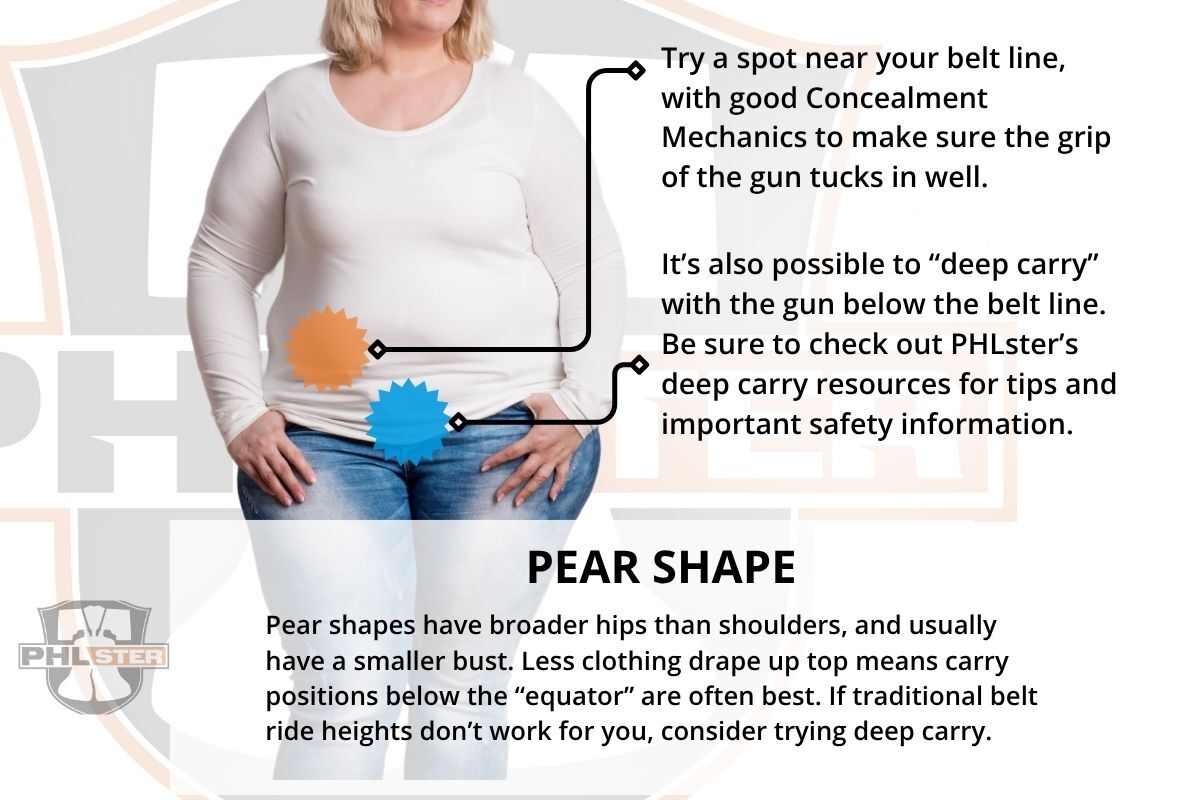
Pear shapes have broader hips than shoulders, usually with a smaller bust. Less clothing drape up top means a spot near your belt line is often your best starting point, using good Concealment Mechanics to tuck the grip in. If a traditional ride height doesn't work, deep carry below the belt line is worth trying. Deep carry is especially helpful if you have no clothing drape from your bust, or if you have anterior pelvic tilt (which makes carrying at the waistline tough).
Choose a holster with a wing, which will help tuck the gun's grip toward the body. A wedge may also be helpful, if needed.
Hourglass
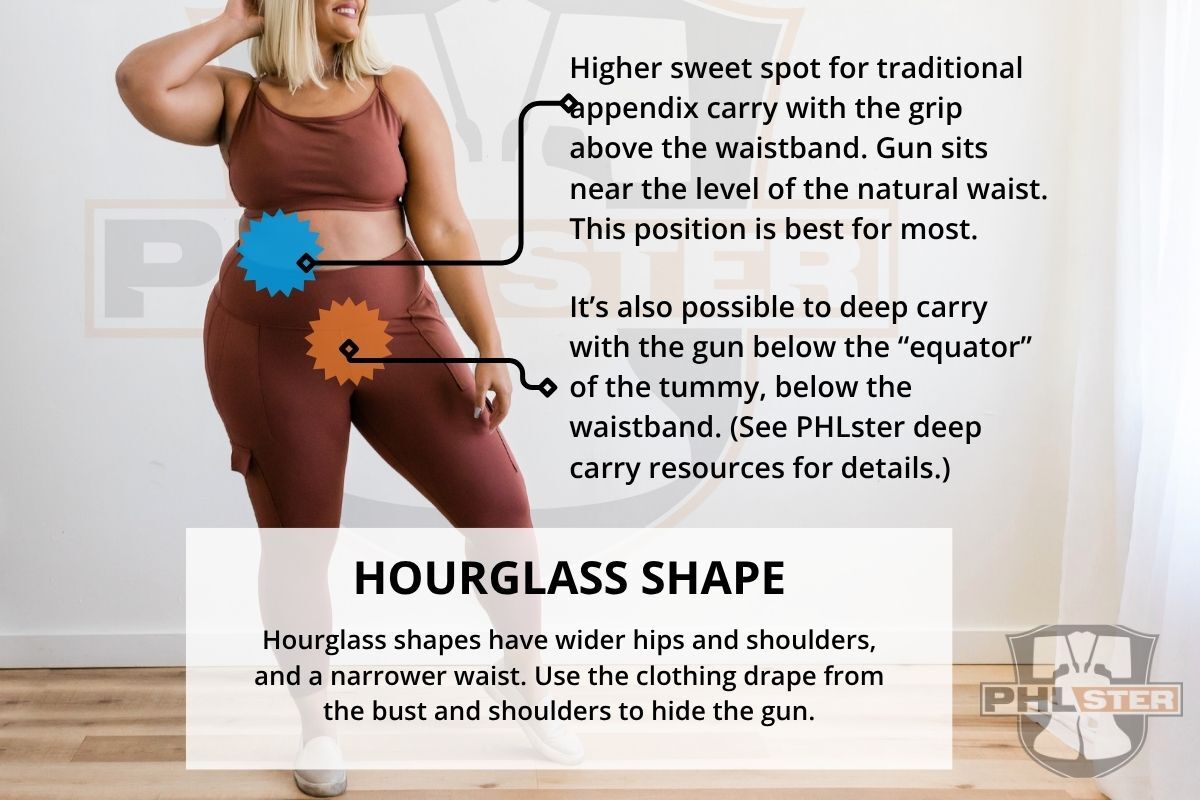
Hourglass shapes have wider hips and shoulders with a narrower waist. Traditional appendix carry with the grip above the waistband usually works well for most hourglass shapes. Use the clothing drape at your bust and shoulders to help hide the gun.
Deep carry, with the gun below the "equator" of your stomach and below the waistband, is also an option, but may not be necessary if you have enough drape up top. See our deep carry resources for the safety details before trying this.
Stopping Holster Migration on Pear and Hourglass Shapes
The most frequent concealed carry problem pear and hourglass shapes encounter is that the holster tends to migrate upwards during the day. When your belt is on an upward slope, and tight enough to get good concealment, it will follow the path of least resistance, which means it will squeeze its way up your waist as you move. You can solve this by using a traditional belt holster on your pants belt - this is helpful because the crotch of your pants stops the belt from sliding up.
Beltless holsters often have their own inner belt, worn directly against your body under your clothes, rather than threading through your pants like a traditional belt holster. That inner belt doesn't get the same anchoring benefit from your pant loops, so migration can be more of a challenge. Wearing undergarments that provide some friction can help with this. Think natural fibers rather than slick polyester that will let your holster slide around. If your beltless holster's inner belt has some stretch, that can help too, since it maintains even tension. But ultimately, the best solution for most women is to see if you can get a higher carry position to work for you, using good Concealment Mechanics. It's much easier to work with your curves rather than fighting them.
Deep carry can also work here, since you use less belt tension when the entire holster is below the pants waistband.
Your Body's Concealment Advantages
Curves work in your favor here. A curvier body has more natural clothing drape than a straight one, and drape is what hides a gun. Places where your clothing naturally falls away from your body give the gun somewhere to disappear into, instead of pressing straight out against fabric.
Soft body fat has an advantage too. It lets the gun sink in rather than sit on top, so it reads as less thick from the outside. On a leaner body, a gun has nowhere to go. It sits on the surface like a shelf, because there's no give in firm tissue for it to settle into.
That same softness can work against you when it comes to muffin top, but we've got fixes for that further down.
The Best Holster Features for Plus Size Concealed Carry
Two features make the biggest difference for plus size concealed carry: a holster wing, which rotates the gun's grip in toward your body, and a holster wedge, which fills the gap between the gun and your body to reduce printing and improve comfort. Holster wings are usually built into the holster itself, while wedges are an add-on, usually attached with Velcro.
Consider this the short version. For the complete system behind choosing the right wing and wedge, see our full concealed carry guide.
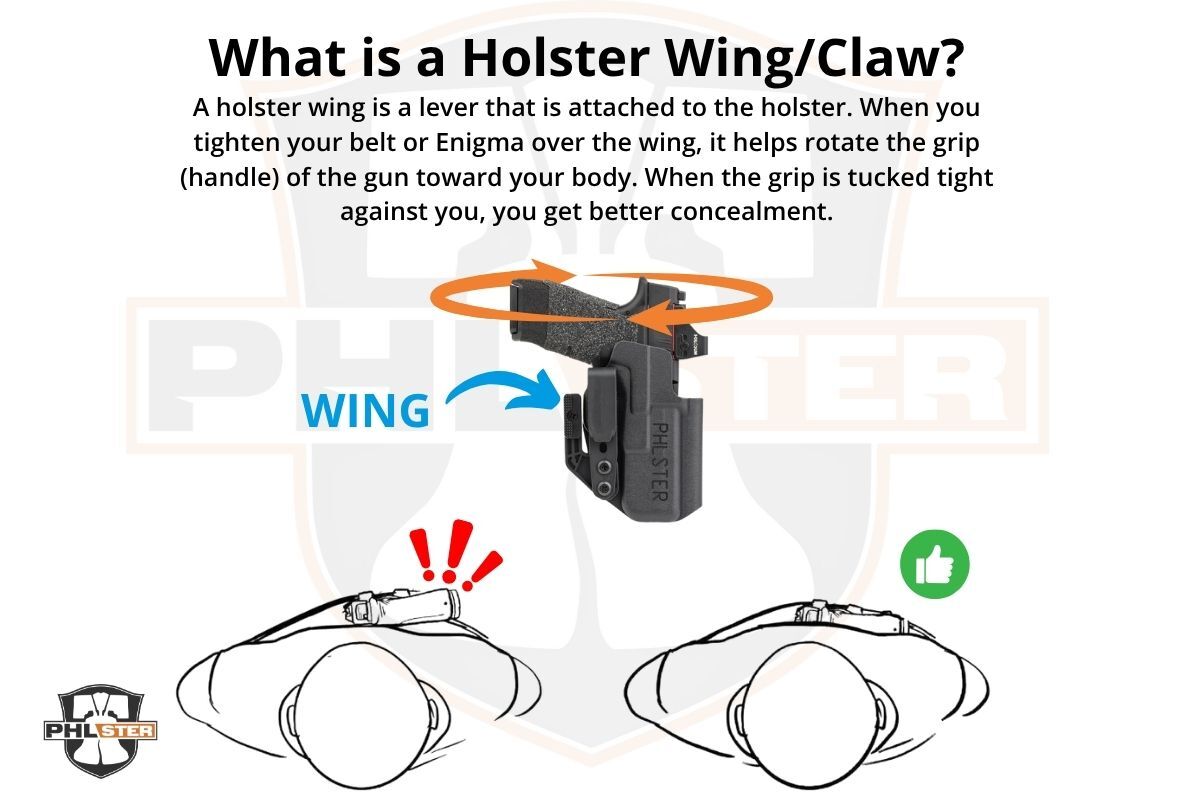
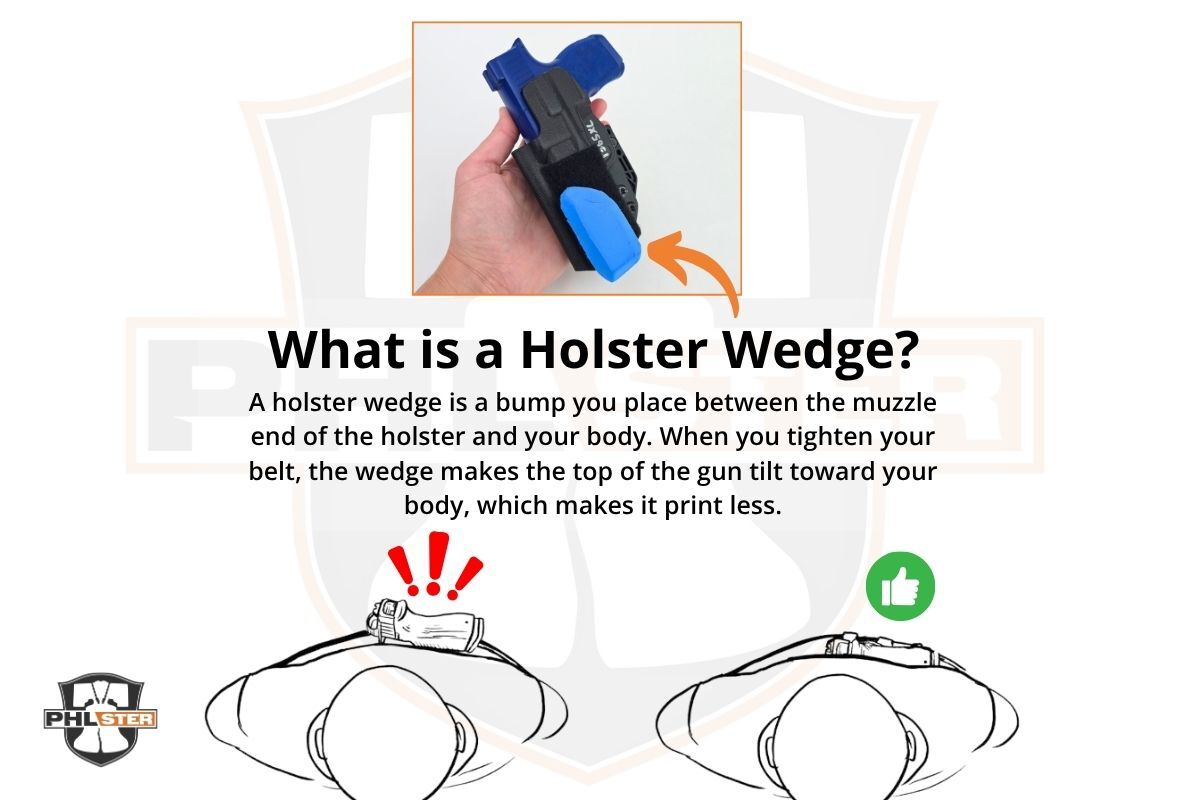
Keep in mind that both wings and wedges require belt pressure to work, so merely clipping a holster to your leggings or belly band won't work. You need a holster that allows you to apply force to the face of the holster, which is what activates the wing and wedge. This is easy to accomplish when you're wearing jeans with a belt, but can get trickier when you're going beltless. For a full deep dive on how to choose the best beltless holster, see our beltless holster guide.
For plus size women especially, a good beltless holster option is helpful. Because it divorces the gun placement from your waistband, it gives you a lot more freedom to position the gun in your concealment Sweet Spot. You can carry the gun higher or lower than your pants easily, without buying a whole new wardrobe.
A belt with some stretch is highly recommended. It's very common to find that your body changes shape throughout the day, and a little bit of forgiving stretch can improve comfort as well as concealment. Don't go overboard with this concept, however - avoid floppy or unstructured holsters for safety reasons. A small amount of stretch in your belt is good, but too much will make your holster unstable.
Additionally, look for something with an adjustable belt. Especially if your weight fluctuates, you want your holster to adjust to fit you as you change. If your adjustment range is too small, you'll end up buying a new holster every time you lose a few pounds, which gets expensive over time.
Clothing and Belt Line
Find Your Ideal Belt Line
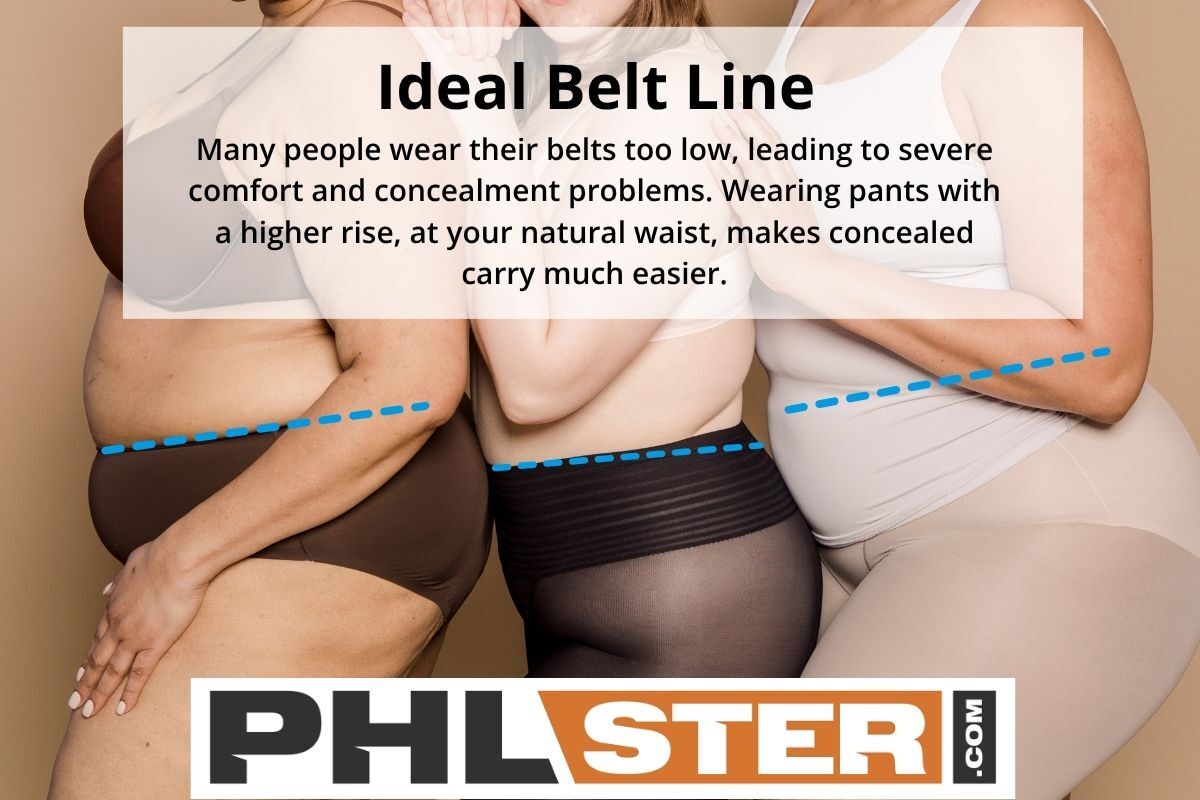
For most body types, the ideal belt line will be at the level of the natural waist, or slightly below. Many women wear their belts at the lower waist or hips, which can sometimes lead to comfort or concealment problems when you add a gun into the picture. As you saw in the comfort boundaries section above, carrying your gun too low can interfere with your range of motion.
Belts and pants that land nearer to your natural waist will make concealed carry easier. And for those of us with some mom-bod, higher waistlines also tend to be more flattering from a style perspective.
Do You Need to Size Up?
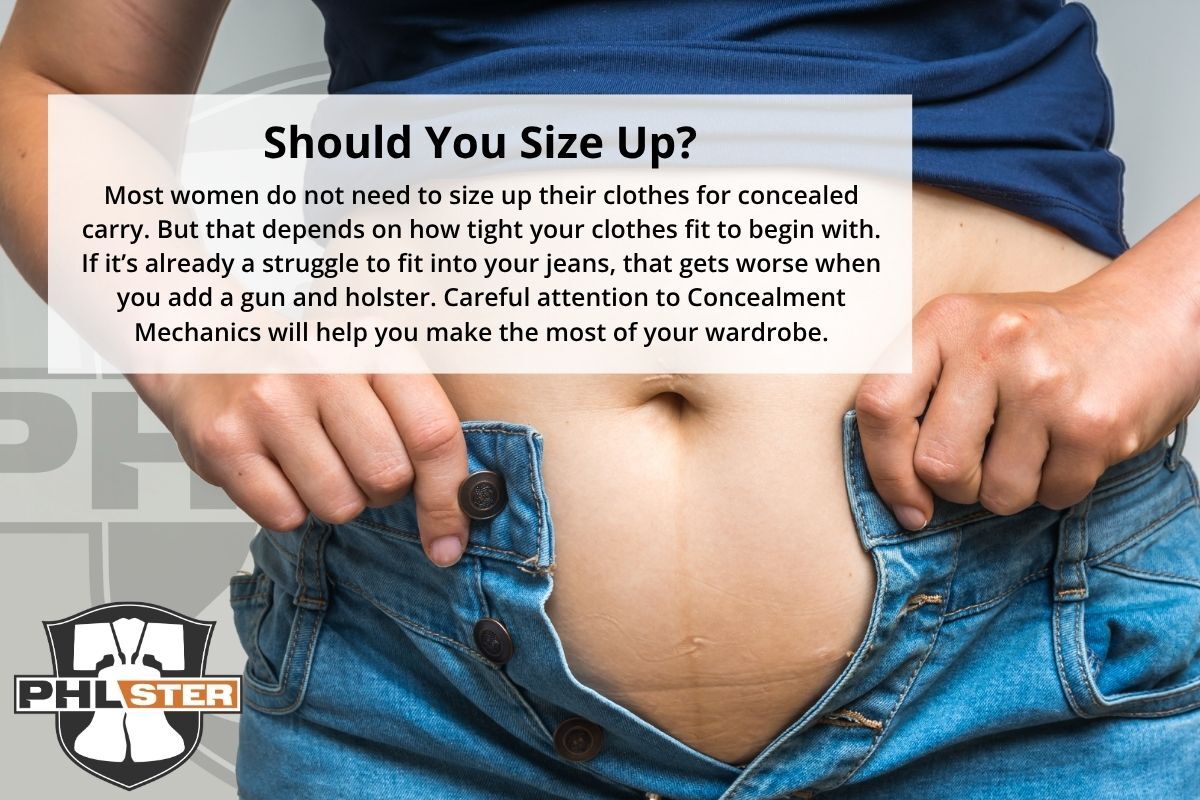
That depends. Let's be honest, here. When last year's jeans are a little too tight, concealment will be a challenge. Overly tight pants tend to press the muzzle of the gun into you, causing painful hot spots. They also counteract the good influence of your holster's wing and wedge, causing the gun to tip out at the top and print.
Bottom line: if your pants are already too tight, you will not be happy with any holster. Consider sizing up for a more comfortable carry experience.
However, if your pants already have some breathing room, you probably won't need to size up your clothes unless you're carrying a large gun.
Fixing Muffin Top
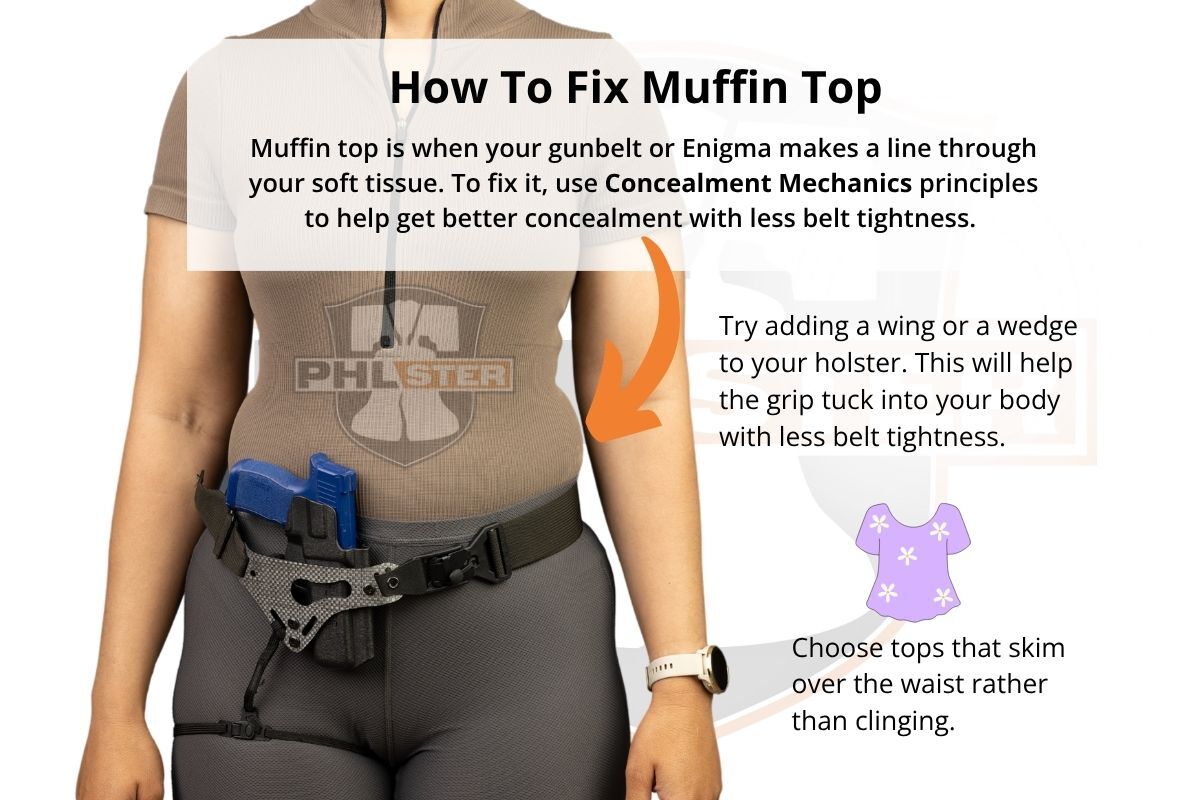
The dreaded muffin top. When your tummy bulges out over the top of your waistband. Or when using a beltless holster, it squeezes out above and below the belt, ruining the sleek silhouette you were shooting for.
Muffin top happens when your gun belt or Enigma cuts a line through soft tissue. The fix is the same Concealment Mechanics covered above: add a wing or a wedge to help the grip tuck into your body with less belt tightness. Choosing tops that skim over your waist, rather than clinging to it, helps too.
For a deeper look at this specific problem, including our top tips, see our Muffin Top article.
Pay Attention to Skin Health
Keep the gun away from places where your skin naturally folds. Those spots are already prone to irritation and infection on their own, and a gun and holster just gives skin that's already vulnerable one more thing to rub against.
Tips for Managing Apron Belly
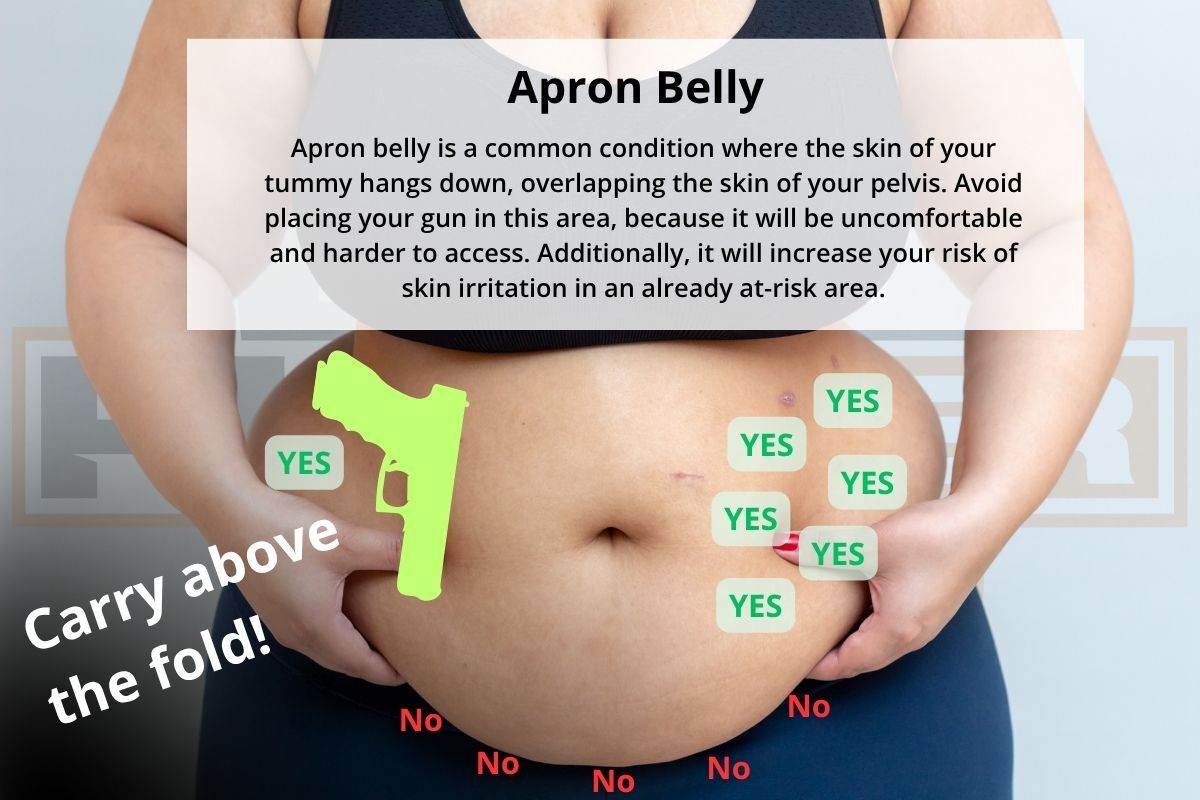
An apron belly, also called mother's apron, or pannus, is when the tissue of your abdomen hangs down, creating an overlap of skin. Trying to carry a gun there is uncomfortable, makes for a slow draw, and adds to the skin fold problems described above. Instead, try carrying higher, above the fold.
A beltless holster is important here, as you want to be able to position the gun independently, without following your pants waistband down under your tummy.
Fabric Choices Matter
Consider wearing an undershirt or bandeau underneath your holster. Wicking fabrics, like wool, are especially good at managing moisture at the skin's surface, which helps keep skin healthy wherever a holster sits against your body.
Know Your Body and Your Health
Know your own body and any health conditions you're managing. If you have neuropathy, compromised circulation, or decreased sensory perception, be extremely careful about where and how you carry. A small comfort problem, like friction or skin shear, can turn into broken skin and a much bigger problem when you can't feel it happening.
You're Not Alone

Want to see how other women are actually carrying? The PHLster Concealment Workshop is a friendly, moderated place to talk about it. Move freely. Carry discreetly. Learn, train, and connect with people working through the same problems you are.
Keep Learning
- Concealment Sweet Spot, the full system behind body-type-specific carry positioning
- Comfortable Concealed Carry, comfort boundaries and range of motion
- Muffin Top, fixing belt-line pressure
- How to Conceal a Gun Comfortably and Safely, the complete system
- Deep Carry, safety information for below-the-waistband carry
- Appendix Carry for Big Guys, the same principles, from a different body type's perspective
- How to Concealed Carry in a Dress, silhouette, fabric, placement and draw technique for carrying in a dress