
How to Concealed Carry in a Dress: Gun Placement, Dress Selection, and Drawing Technique
Posted by Tessah Booth on Aug 26th 2026
Brittany Klein is a competitive shooter and firearms instructor based in Arizona. When she started concealed carrying in 2019, she ran into a problem a lot of women run into: most concealed carry gear and advice wasn't built with feminine clothing, especially dresses, in mind. So she set out to train in what she actually wears. That process eventually led her to compete, and win, IDPA state championships in 2024 and 2025 in a dress.
This guide walks through her process: choosing a dress, placing the gun, and drawing from it safely and quickly.
Brittany walks through the whole process on video, from choosing a dress to drawing from it.
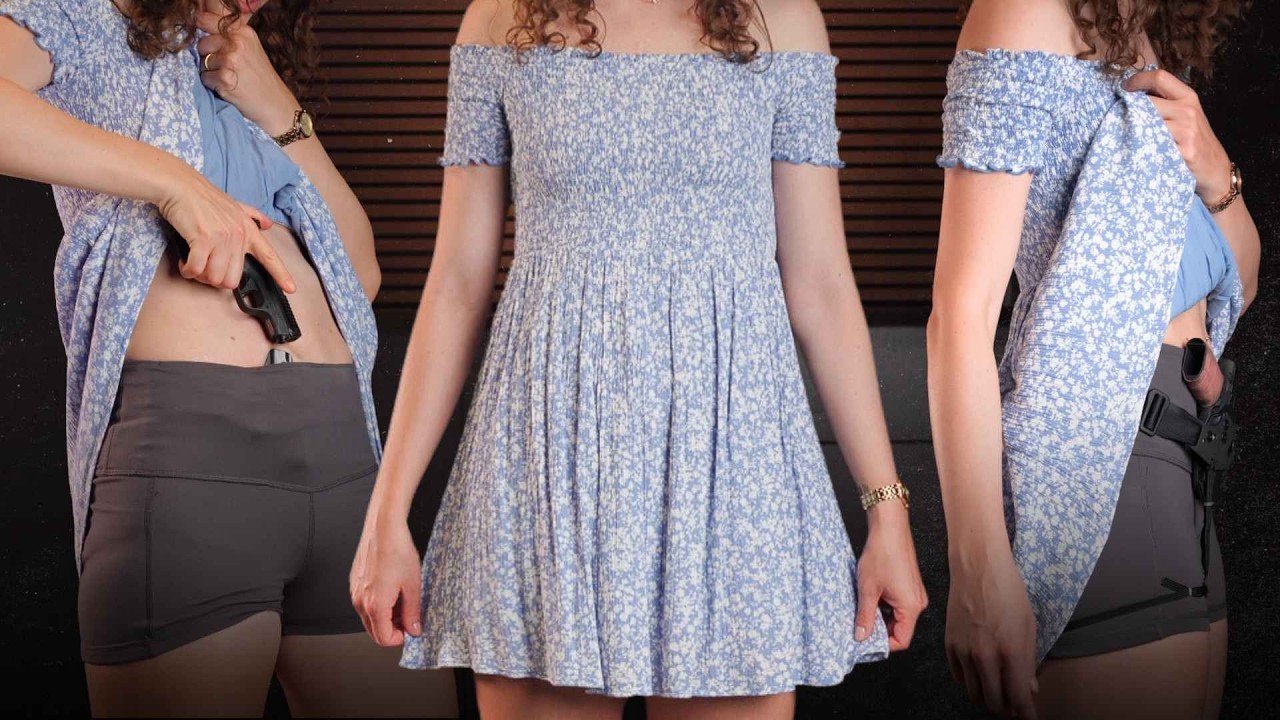
How the Enigma Helps You Carry in a Dress
Brittany carries with the PHLster Enigma Micro and a Smith & Wesson Bodyguard 2.0, and that setup is what she demonstrates throughout this guide.
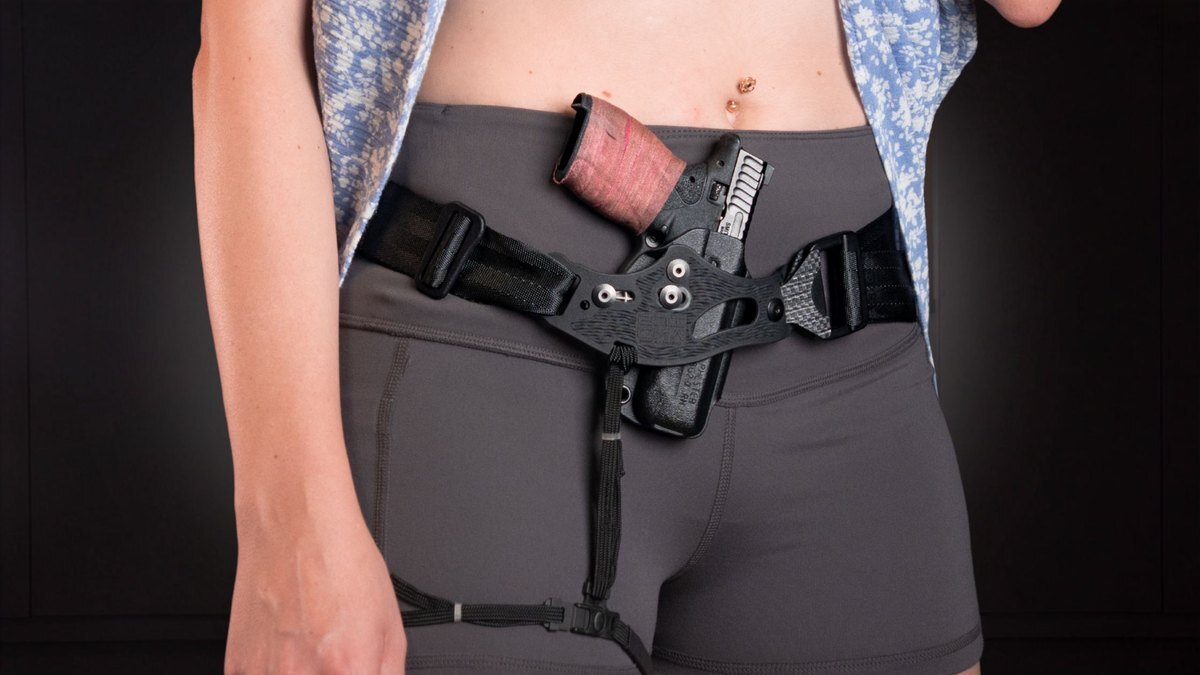
The Enigma anchors to your body rather than your clothing, so the gun sits in the same place at the same angle whatever you happen to be wearing over it. That is especially useful in a dress, where there is no waistband or belt to hold a holster in place.
Choosing the Right Dress for Concealed Carry
Not every dress conceals well, but the qualities that matter are predictable: silhouette, length, fabric, pattern, and layering. Here's what to look for in each.
Dress Silhouettes: A-Line, Shift, and Bodycon
A dress's silhouette is the shape of its design. The three you'll see most often are A-line, shift, and bodycon, and they don't conceal equally well.
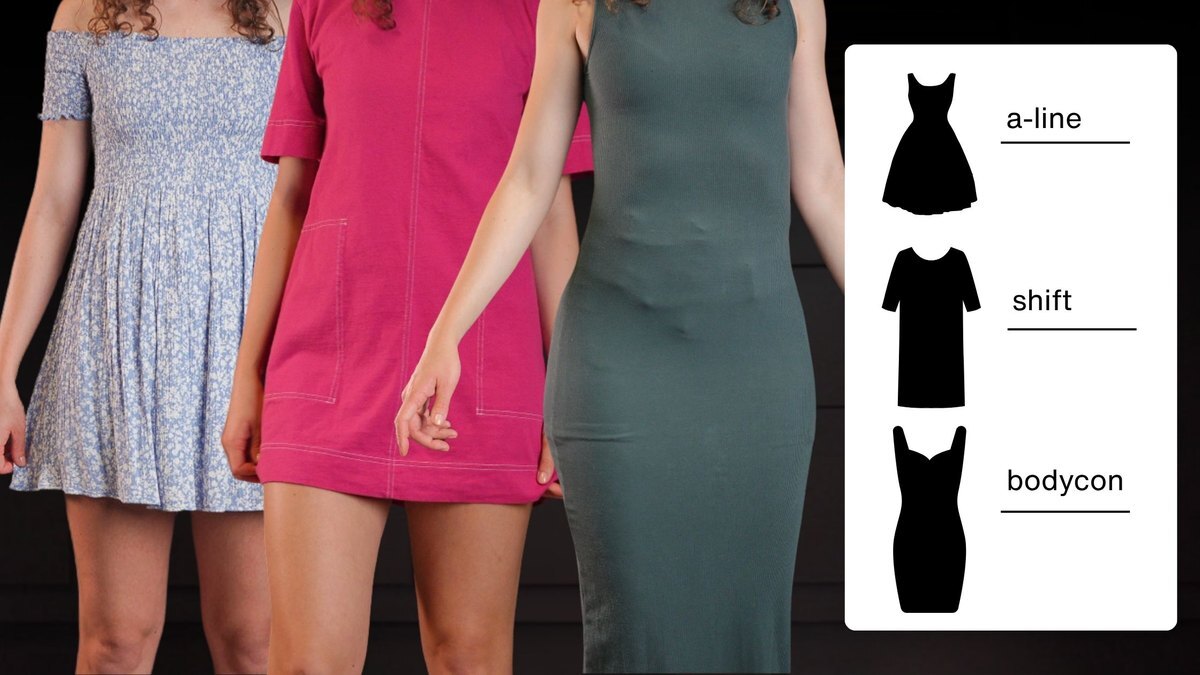
A-line dresses are fitted at the top and gradually widen toward the hem, like the letter A. Brittany's favorite for concealed carry. The gradual widening helps with both concealment and accessibility, since the fabric lifts easily over the hips when you draw. Sundresses and skater dresses are common A-line styles.
Shift dresses hang straight down from the shoulders with no defined waist, like a t-shirt dress. These can go either way for concealment depending on how thick, thin, or stretchy the fabric is. Body type matters here too. A larger bust can create more natural drape to work with, while a smaller bust may make this style harder to conceal in.
Bodycon dresses are tight and contouring through the body, which makes them a poor choice for concealment in most cases. If a dress conforms to your body at the gun's location, it will also conform to the gun. There are fringe cases where a tight dress can still work, but that depends heavily on body type, how much printing you're comfortable with, and fabric choice.
Dress Length and Draw Speed
Length affects how easily and quickly you can get to the gun.
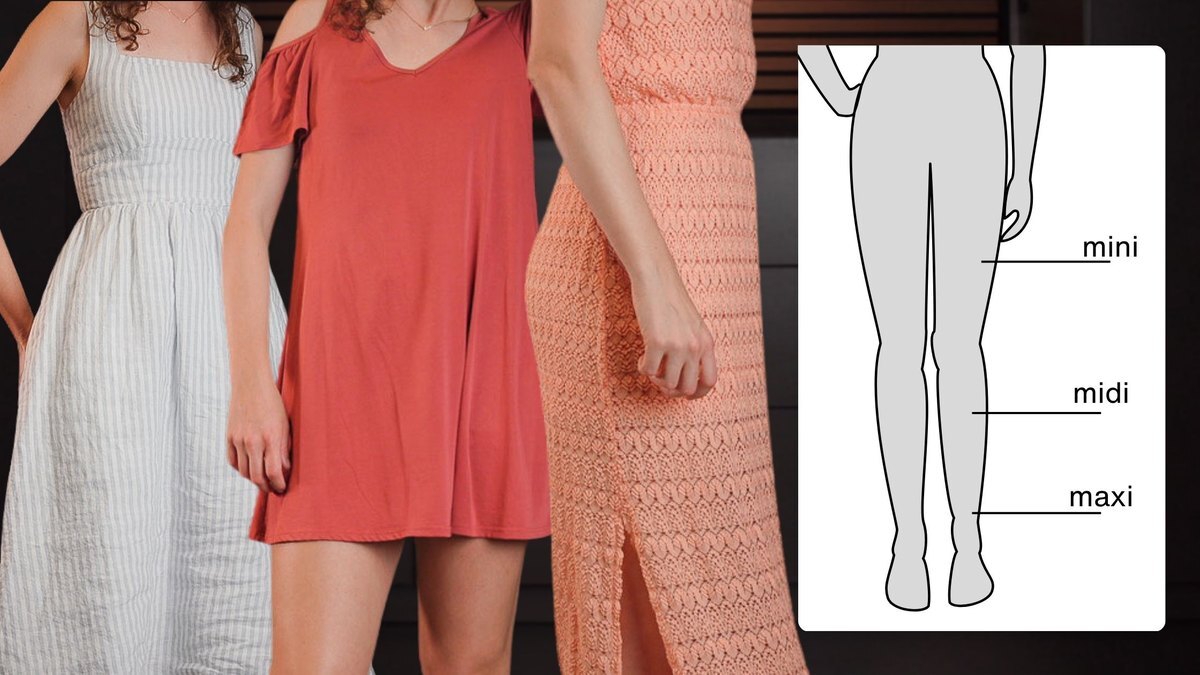
- Mini dresses end above the knee and give you the fastest access.
- Midi dresses fall between the knee and mid-calf and give you moderate access.
- Maxi dresses reach the ankle or floor and give you the slowest access.
More on how each length changes your drawing technique below.
Fabric: Why Structure Beats Stretch
Look for fabric that isn't stretchy. Fabric with more structure hangs naturally away from the gun instead of clinging to it. Linen and cotton are Brittany's go-to choices: both are natural fibers with minimal stretch, so they resist conforming to the gun's shape. Polyester and spandex blends are her least favorite for the opposite reason: they move with the gun and tighten over it, revealing its outline.
Patterns and Textures That Help Conceal
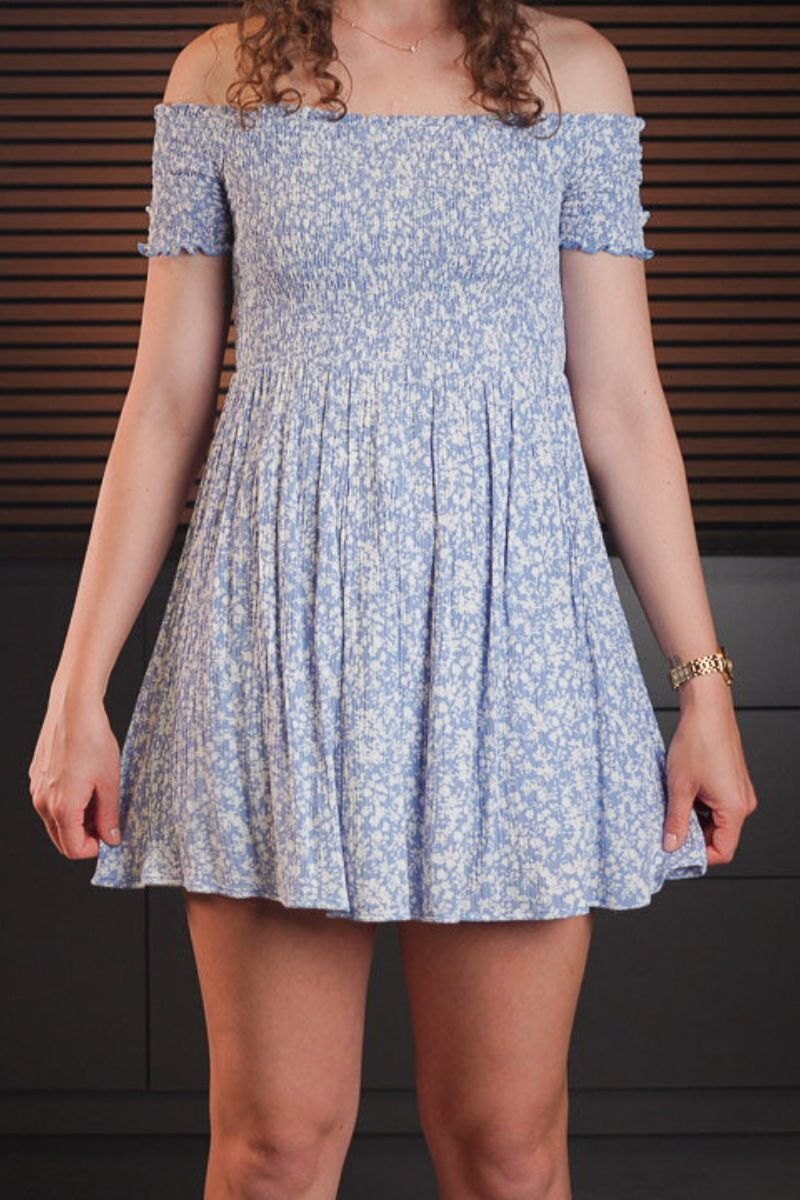
Patterns and textures break up the visual outline of a gun, making it harder for the eye to pick out its shape under clothing. Florals and other high-contrast patterns work by breaking up the profile. Textures work by using a three-dimensional surface, like fringe or ruffles, to create shadows and highlights that mask the outline instead.
Layers and Built-In Slips
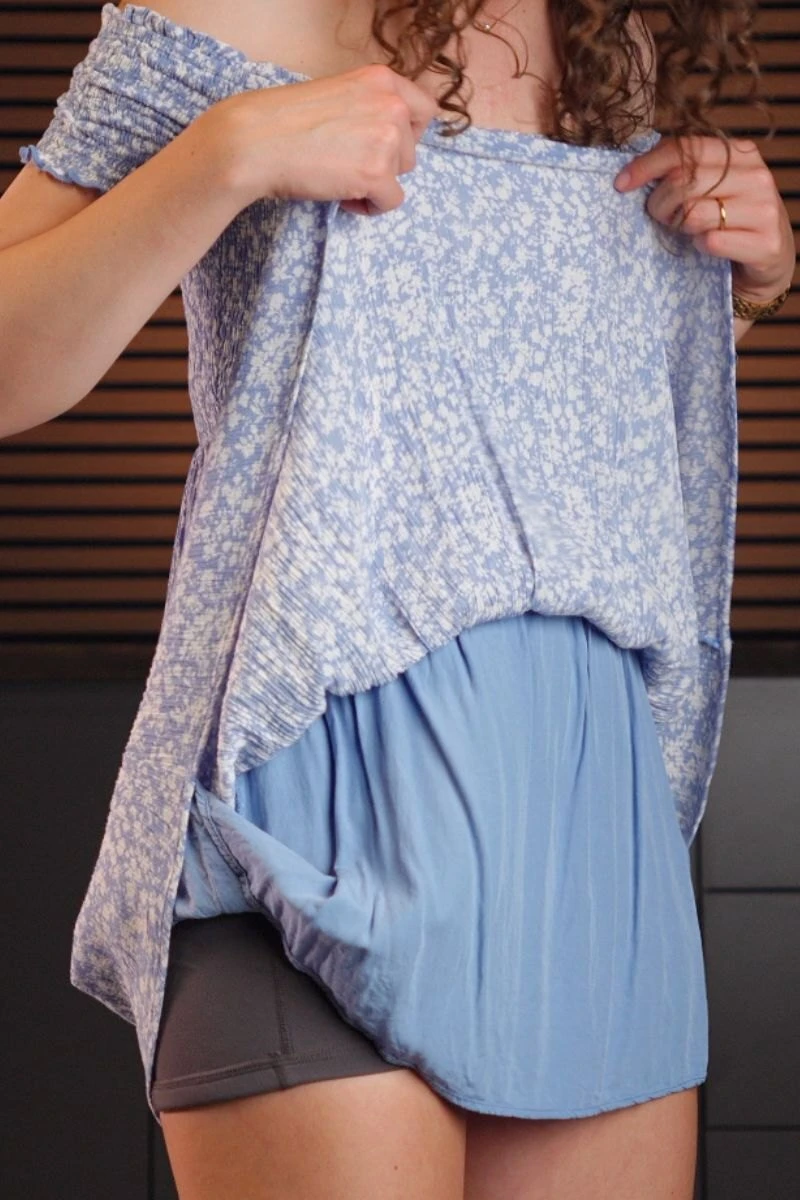
Many dresses have a second fabric layer or a built-in slip, and extra layers generally help concealment by adding thickness and masking the gun's outline. There's a catch, though: some built-in slips are more form-fitting than the dress itself and have zero stretch, which restricts how the dress moves over your backside when you lift it to draw. If a dress doesn't already have a second layer, you can wear a separate slip underneath to get the same benefit.
Wearing Shorts Under the Dress
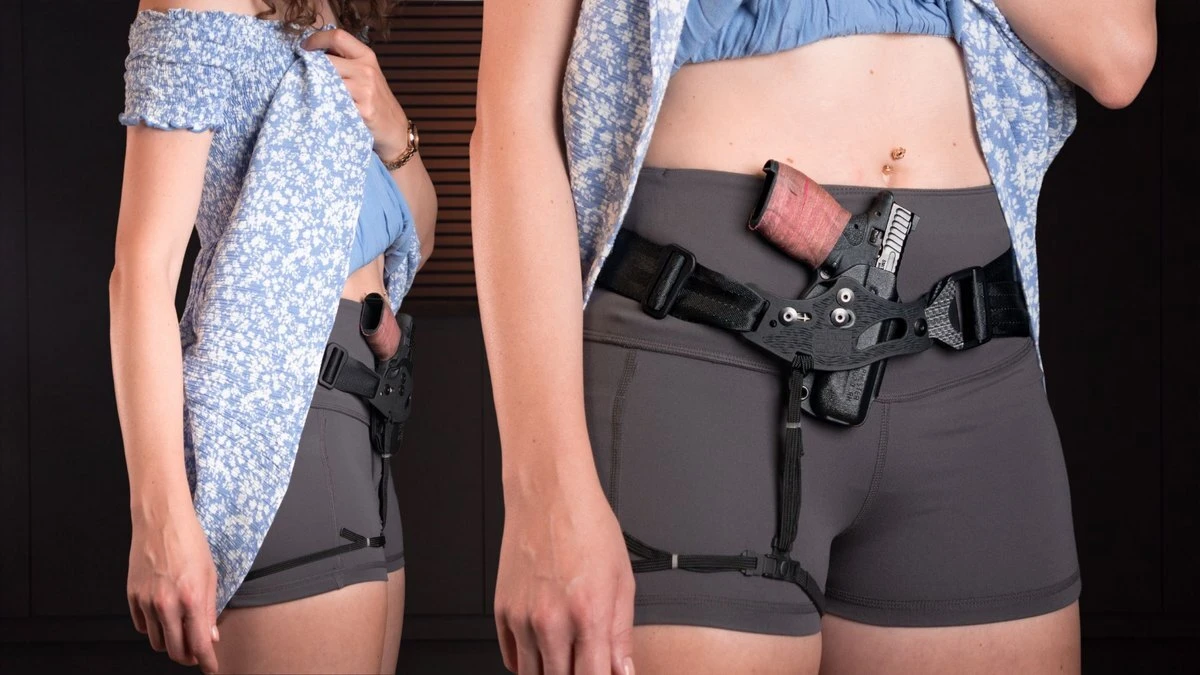
Wearing shorts under the dress and over the Enigma adds comfort and security, and it also helps smooth over the sharp edges and contours of the gun and holster.
Finding Your Sweet Spot: Gun Placement for a Dress
Gun placement in a dress works differently than in pants or a skirt and top. Start by identifying your peaks and valleys, the high and low points across your abdomen, which vary by body type. This is your Sweet Spot: the flatter area where the gun sits without printing.
For Brittany, her peak sits at her centerline, so placing the gun there causes the grip to protrude slightly. Shifting it to the valley at her one o'clock position solves that.
With a dress specifically, ride height (how high or low the gun sits relative to your waist) also matters more than usual. Because a dress is longer than a t-shirt, Brittany places the Enigma lower on her waist. That shortens the distance her hand has to travel from the hem of the dress to the gun. Just don't place it so low that it can bump your leg when you walk.
Holstering Safely in a Dress
With the Enigma in place, here's how to holster the firearm safely:
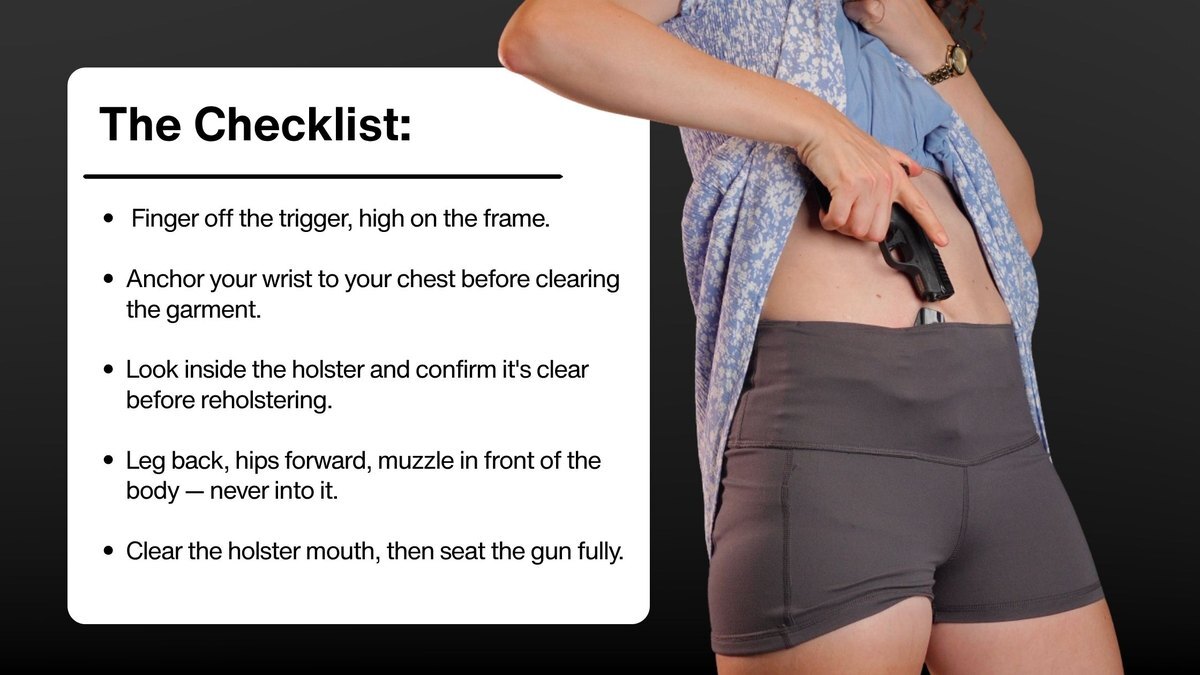
- Keep your finger outside the trigger guard and high on the frame or slide, with your thumb on the back of the gun.
- Bring the gun in close to your body so your wrist anchors against your chest, muzzle pointed forward. Keeping your wrist anchored here is what prevents you from flagging yourself as you gather your dress with your other hand.
- Once the dress is clear, look inside the holster to check for obstructions before reholstering. Loose or flowy fabric is the most common obstruction when carrying AIWB, and the more flowy the dress, the higher the risk. Fabric that hangs into the holster can get caught on the trigger and engage it.
- Step your strong-side leg back, tilt your hips forward, and slowly bring the gun toward the holster with the muzzle pointed in front of your body, never into it.
- Once the muzzle clears the mouth of the holster, seat the gun fully into position.
How to Draw a Firearm From a Dress
The right technique for clearing the garment depends on the dress.
Clearing a Mini Dress
Use your weak hand to grab and bunch the fabric at the center base of the dress, then lift it up and over to your dominant shoulder to expose the full grip.
Clearing a Midi or Maxi Dress
Depending on the dress's length and how it moves, you may need one hand or two.
One-handed: Reach down with your weak hand, grab and bunch the fabric at the base of the dress, and lift it up and over to your dominant shoulder. If the dress allows it, you can also try the knee pop method: pop your dominant knee up to bring the hem within easier reach, then grab, bunch, and lift the same way.
Two-handed: With a longer or more flowy midi or maxi dress, one-handed clearing can cause the fabric to fold inward and become its own obstruction. When that happens, reach down with both hands, grab and bunch the fabric at the base, and lift it to your dominant shoulder. Release the fabric with your dominant hand once it's clear, then purchase your grip on the gun.
Tip for any method: keep your hands close to the front of your body as you bring the dress up. That lets it travel freely up your back. Holding your hands out in front tightens the fabric against your back instead, making it harder to clear.
Dresses With Leg Slits
Leg slits, front or side, aren't always ideal for appendix carry, and they can sometimes make concealment harder. It comes down to fabric. A flowy polyester dress can be difficult to gather cleanly during the draw, letting one side fall back over the gun and block access. A dress with more structure is less likely to drape back over the gun in the same way.
Key Takeaways for Carrying in a Dress
- Start with the right holster system, then choose your dress silhouette and fabric with concealment in mind.
- Gun placement should fit your body. Lower placement generally works well for dresses, but your shape may call for something slightly different. Experiment to find what works.
- Access is the biggest challenge when carrying in a dress. Practice your drawing technique until you're confident in it before relying on it.
For more concealed carry resources, visit our concealed carry education library. If you want carry advice matched to your body type, start with our guide to concealed carry for plus size women.
This guide is based on the experience and technique of Brittany Klein, a competitive shooter, firearms instructor, and back-to-back IDPA state champion (2024, 2025) who competes and trains in a dress.