
Why All Our Resources Are Free
Posted by Jon Hauptman on May 19th 2026
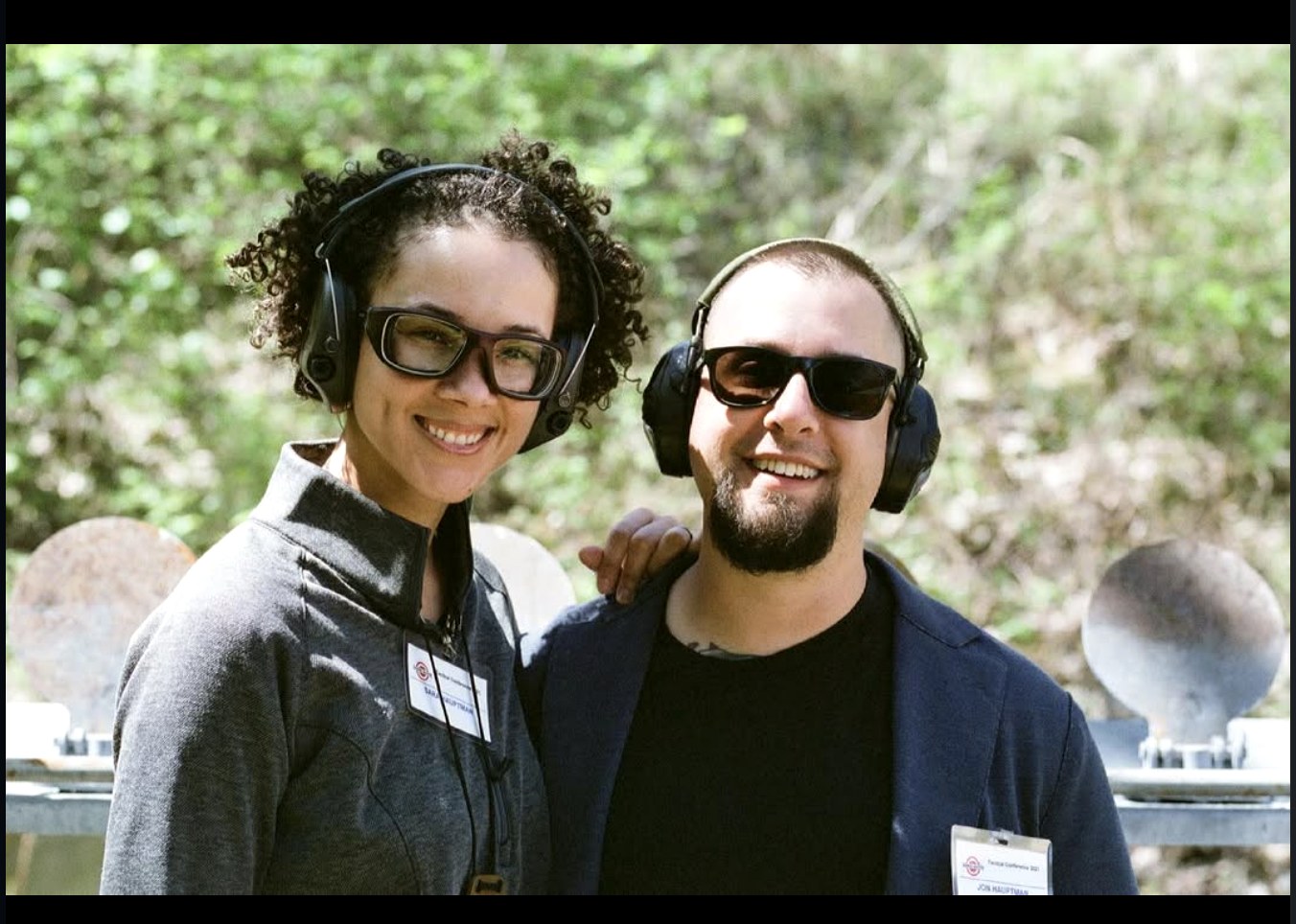
PHLster's origins are in free resources. Before we ever sold a single holster, with zero intention of starting a business, I was making YouTube videos, not about how to make Kydex holsters, but about the process of learning how to make them. Every mistake, every stumble, on camera, so people could learn from what I was figuring out.
Eventually the stumbles turned into a stride, and people didn't want to make their own anymore. They wanted to buy what I was making. When that became a full-time commitment, I didn't stop making videos. I put together a comprehensive two-part video on how to make Kydex holsters. In the fifteen years since, it's amassed millions of views and been the launchpad for hundreds of holster companies. The holster-making supply market became an entire industry. The work gained me some of my best friends and collaborators. I went on to make a series called Holster Clinic, where holster makers would send in their work for advice and guidance. And we taught people in person, at our shop.
Over the years of designing holsters, making custom one-offs for in-person customers at my old workshop, fitting those holsters by hand, and talking with other holster makers and concealed carry practitioners, all of us (makers and carriers alike) developed strategies for improving concealment, diagnosing how concealment is generated, and learning about the interaction between holsters and bodies. We knew about wings and wedges long before they became commercial products. We tried every way to incorporate these mechanics into the holster. Some people discussed it openly. Others kept these cards close to their chest.
The secret sauce was never in the holster
It was in the mind of the carrier.
When custom fitting a holster, I never really did anything other than apply a set of principles. The principles didn't change. What changed was the degree to which each one needed to be applied to a given person. Where to position the gun on the body, and how to make the gun lie flat against the torso, accounted for ninety percent of the work. Small mechanical tweaks were all that was necessary to dial in the holster after that.
When we launched the Enigma
When we invented the Enigma, our target audience was the small community of serious practitioners that surrounded our brand. Firearms instructors and fellow students we'd recognize at classes, events, and conferences. We expected every one of the first 250 Enigmas to sell to people we knew on a first-name basis. They were gone in twenty minutes.
The product we'd designed for people with five to ten years of concealed carry experience was out in the wild. It was packed full of all the conversations we'd been having online in forums and in classes about how concealment works. We knew we had to take those conversations, those forum threads, and all those in-person holster fittings, and turn them into a teachable vocabulary.
But the part I was most excited about was the flip side of those conversations. I'd heard a refrain from carriers, year after year:
I can't believe it took me this long to figure these things out. I wish there was a way to teach people this up front and save them from having to stumble through buying tons of holsters and hoping to get it right eventually, like I did. How do we get these ideas in front of everyone and save them from making all the gear mistakes I did, through trial and error?
This was our chance. Not to market ourselves. Not to talk about our products. Not to claim we had some special knowledge that you could pay for our class to find out about. But to turn ten years of concealed carry experience into a set of repeatable, transferable, teachable fundamentals — something someone could learn on day one of their first concealed carry class, ever.
Why our education will always be free
The community of serious practitioners needs as many sustaining members as it can get. The people who train regularly and carry every day have a stake in the community and a stake in the Second Amendment. If we can help people make regular carry more feasible, they'll stay in the community instead of giving up and leaving their gun at home.
We would do this even if we didn't sell holsters. PHLster just gives us a platform, and the products attract people who want to learn and take carry seriously. That's why our educational resources will always be free. That's why we volunteer our time to teach in person. And that's why none of our education requires a PHLster holster to put it into practice.
What's free, right now
- Our free Concealment Mechanics ebook — the foundational vocabulary in one place
- Our Concealment Workshop community on Facebook — nearly 40,000 members helping each other
- Our free Tune-Up Zoom class — live coaching every couple of weeks
- Ask Phil — our concealment coach, available 24/7
- The full education library on our site
- The YouTube channel where it all started
None of it requires a PHLster purchase. It never will.
About the author: Jon Hauptman, owner of PHLster. 15 years of holster making and design experience.