
HOW, WHY, AND WHEN
Posted by Tamara Keel on Dec 9th 2025
When I first got into the gun business, back in the early Nineties, only a handful of states had Shall Issue carry permit systems, and permitless carry was still called “Vermont Carry” because that was the only state where you could tote a concealed piece without a permit.
Over the intervening decades, thanks to a combination of state-level grassroots legislative activism and a couple of important Supreme Court cases, Shall Issue permits became pretty much the national norm, followed by a wave of Constitutional Carry laws sweeping the country.
This is a good thing! Recognizing people’s inherent right to access the means of effective self-protection is true to the spirit of the Second Amendment to the Constitution. There is, however, something of a possible downside.
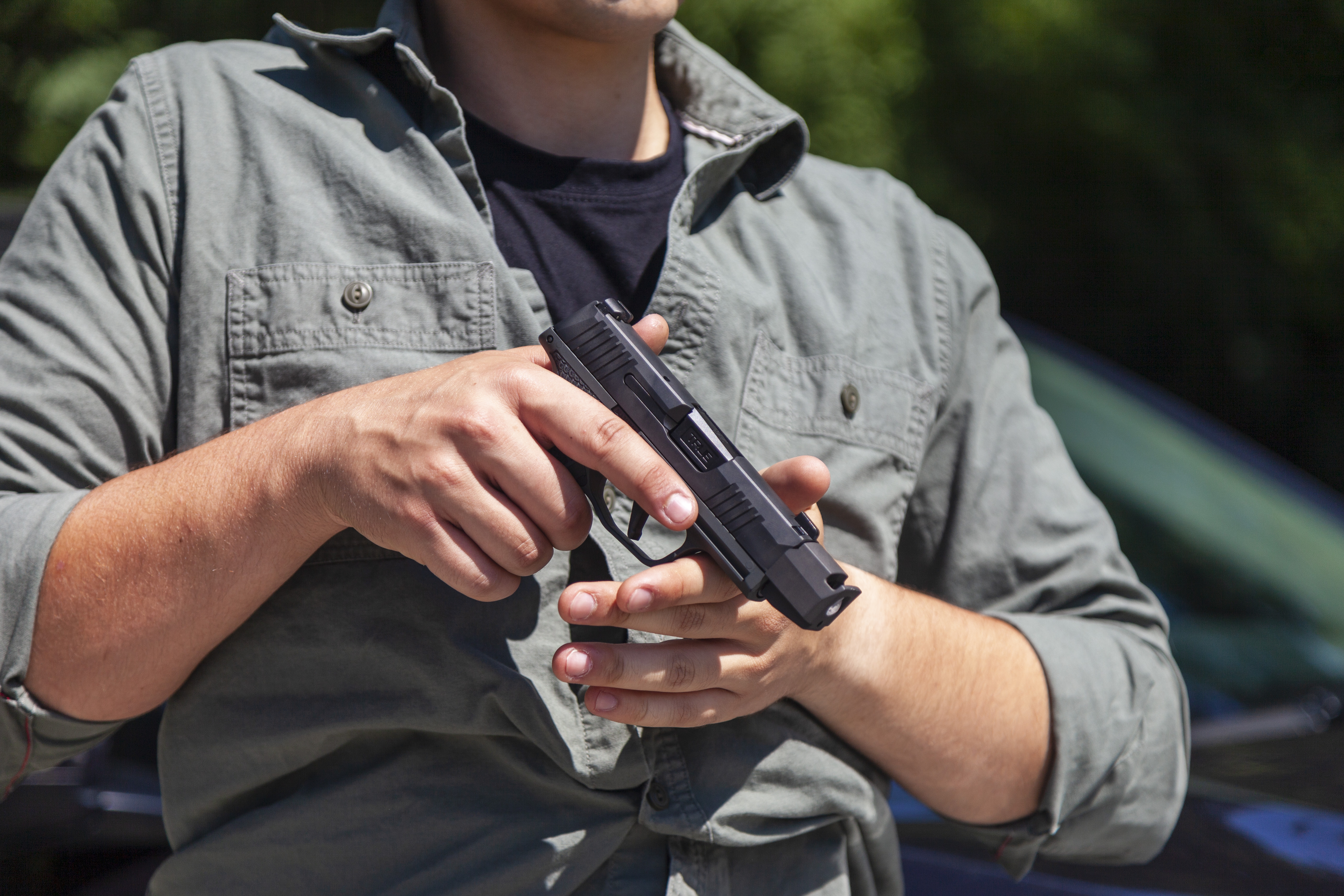
In many states that required permits, there were mandatory classes that had to be completed to obtain a permit. They weren’t great, mind you. They were often taught by instructors seeking a bit of side income, with a lowest-common-denominator legal classroom segment and a live fire range assessment that amounted to a sobriety test. People who got their certificate from those courses were not qualified to be elite gun toters any more than folks who took a state-mandated driver’s education class were ready to race at the Indy 500.
Much was made of this in the media every time a state abolished its permit requirements and went to Constitutional Carry. Hand-wringing news stories predicting blood in the streets as people engaged in shootouts over parking spaces would pop up, and the predicted shootouts kept not happening.
Here’s the thing, though…
Just because you are not required to meet any particular licensing requirement before you exercise your constitutional rights, it does not mean that you won’t be held accountable if you try to do so in an illegal fashion.
It is important to remember, no matter what jurisdiction you are in here in the United States of America, that self-defense is an affirmative defense. You are effectively telling the state, “Yeah, I shot this dude/dudette, but it was justified because of the following reasons…”
The thing is, you need to know how, when, and why to do this.
You will hear all kinds of lowest-common-denominator chatter about this in many places. Whether it’s your state-level firearms forum, the stories on the local television news station, or the graybeards at your neighborhood gun store, you’ll be exposed to all manner of mythology about self-defense law.
The TV stations will have all kinds of urban legends about “Stand Your Ground” and/or “Castle Doctrine” laws, which they will insist have been rammed through the state legislature by NRA-sponsored representatives. Your state forum or local gun shop will have someone willing to tell you that “I was in fear for my life” is some magic incantation.
This is all questionable advice for lowest common denominator people, and, at the risk of tooting our own horn, here at PHLster, we honestly don’t believe you’d be shopping with us if you were a lowest common denominator sort of person.
Because we value our customers, we want to give you guys a little something extra. So this is going to be the start of a series of posts on the important things you need to think about while living the armed lifestyle in public in our current society, as well as advice on where you can go to get more in-depth training on the individual topics addressed.
If you look at the title, we’ve divided this into How, Why, and When.
The How: Shooting Skills
The How is the most straightforward part. It’s the mechanics of running a handgun, and it’s honestly fun. Going to a class that focuses on the tasks of smoothly and efficiently drawing a handgun on command and putting rounds on target while getting coached on how to do it better is, honestly, fun. For a lot of people, it becomes a hobby and, in fact, there are sports like IDPA and USPSA that cater specifically toward these abilities, but this is only one leg of the three-legged stool of self-defense.

The Why: Legal Knowledge
The Why is the legal part. Taking a class with a nationally recognized instructor like Massad Ayoob is great, and you will get a brain dump of very important legal knowledge. Still, every jurisdiction has its own specificities, and so it will almost always be worth tracking down an instructor who specializes in the legal environment of your state. Knowing why it’s okay to shoot now and why it’s not okay to shoot at a different time can keep you from making a tragic error.
The When: Tactical Awareness
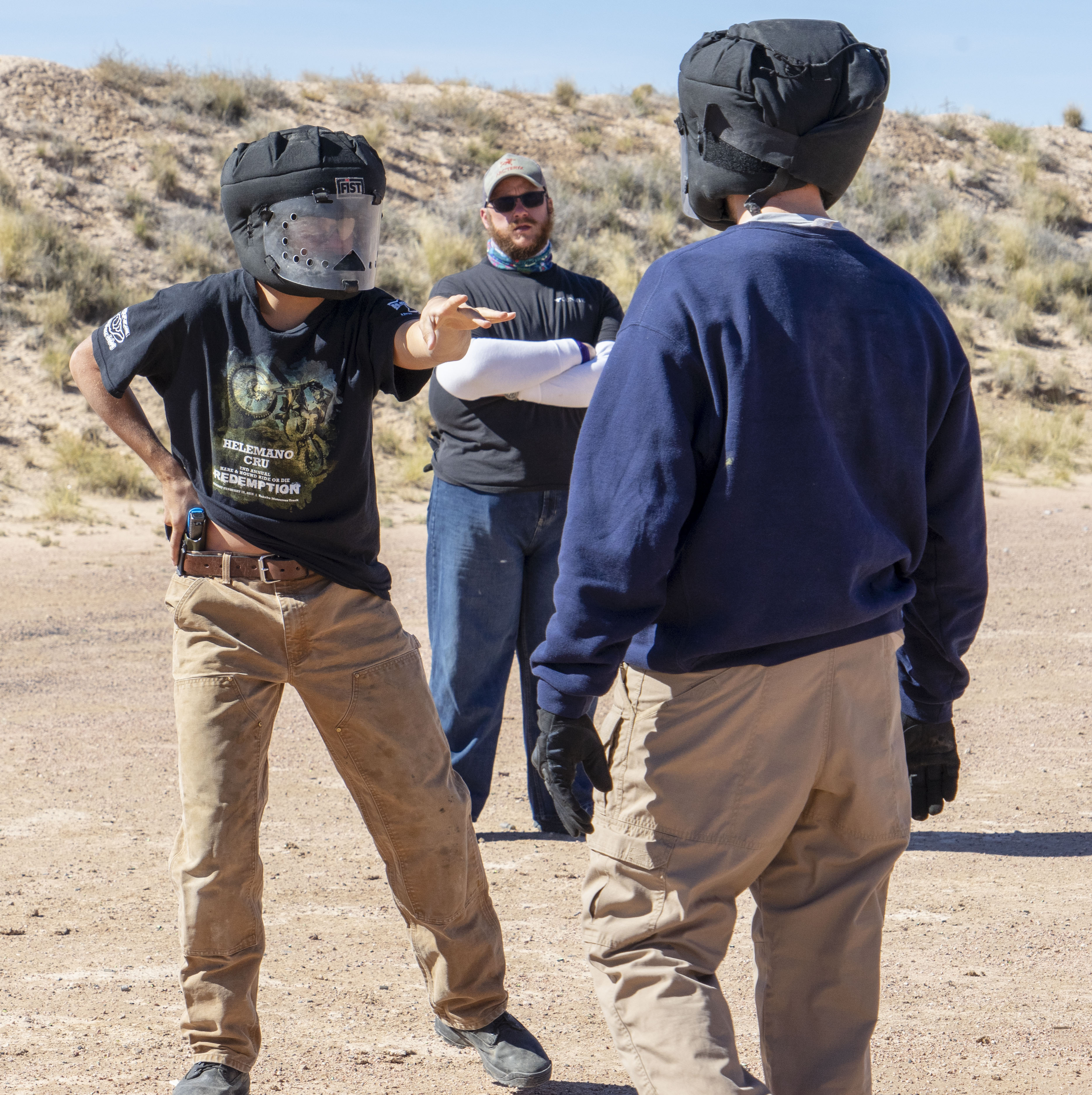
Finally, there is the When. This is the tactic of the armed lifestyle, and it's the trickiest to get good instruction in. This will involve force-on-force role play and scenario training. More importantly, it will entail watching a lot of video and learning about things like the victim selection process, the criminal assault paradigm, and pre-assault cues.
Over the next several months, we look forward to bringing you columns that focus on these various vital aspects and explain them, as well as pointing you to instructors who can better hone your abilities to protect yourself, and help you avoid getting jammed up by making a terrible error in judgment.
Stay tuned!