How to test holster retention
There are good and bad ways to test holster retention. This tab leads with the right way to test, then addresses why the popular "shake test" doesn't actually tell you what you need to know.
The correct way to test retention
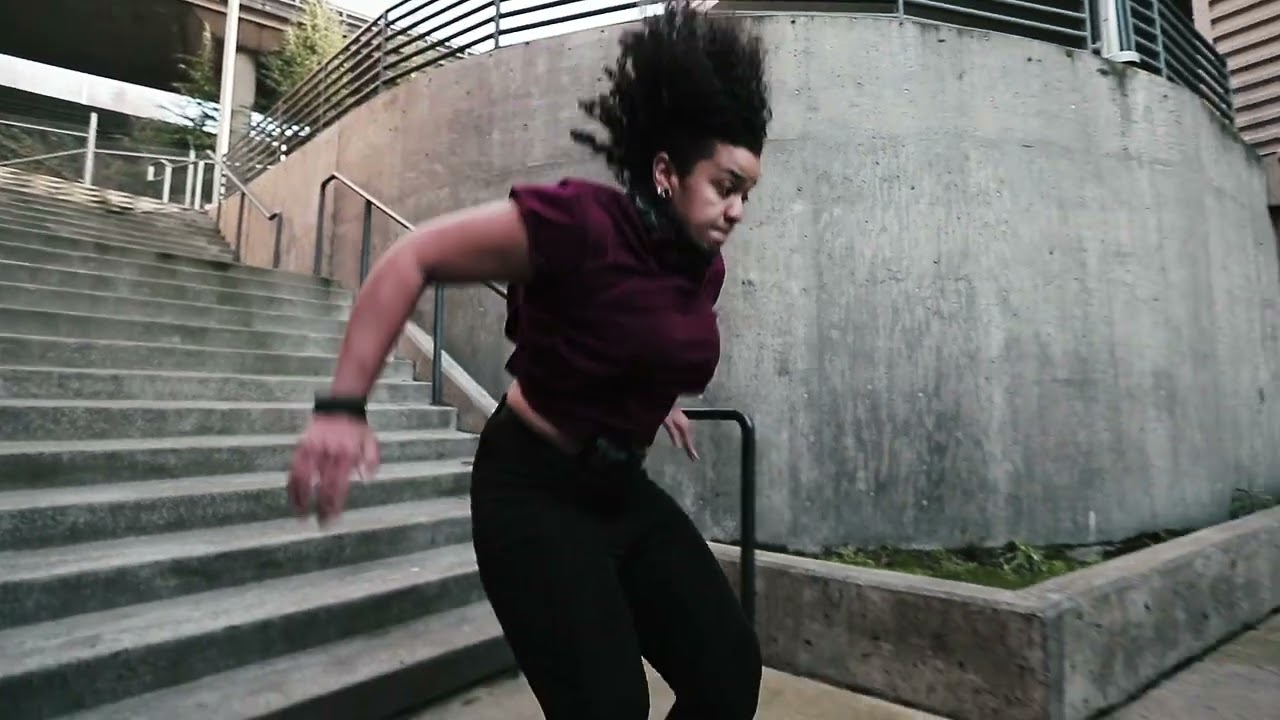
Since body contact is a big part of holster retention, and since all bodies are different, the most accurate way to test your holster's retention is to wear it. That means putting on your holster and belt and unloaded gun (we recommend using a Barrel Blok for an added layer of safety). Get everything situated the way you plan to wear it in real life.
Test retention by performing a range of activities
- Jumping jacks
- Burpees
- Sprints
- Hip bridging exercises
- Any other movement you'd realistically do
Gradually ramp up difficulty. Make sure the gun stays in place through a wide range of extreme movements.
When testing your draw, make sure your draw stroke is quick and clean, and that the gun releases from the holster crisply when you need it to. Use quick, confident movements. A slow or hesitant draw will often make your holster retention feel tighter than it really is.
For a great video demonstration of how to test holster retention, watch the "retention" segment from Tessah Booth on her channel, Armed and Styled:
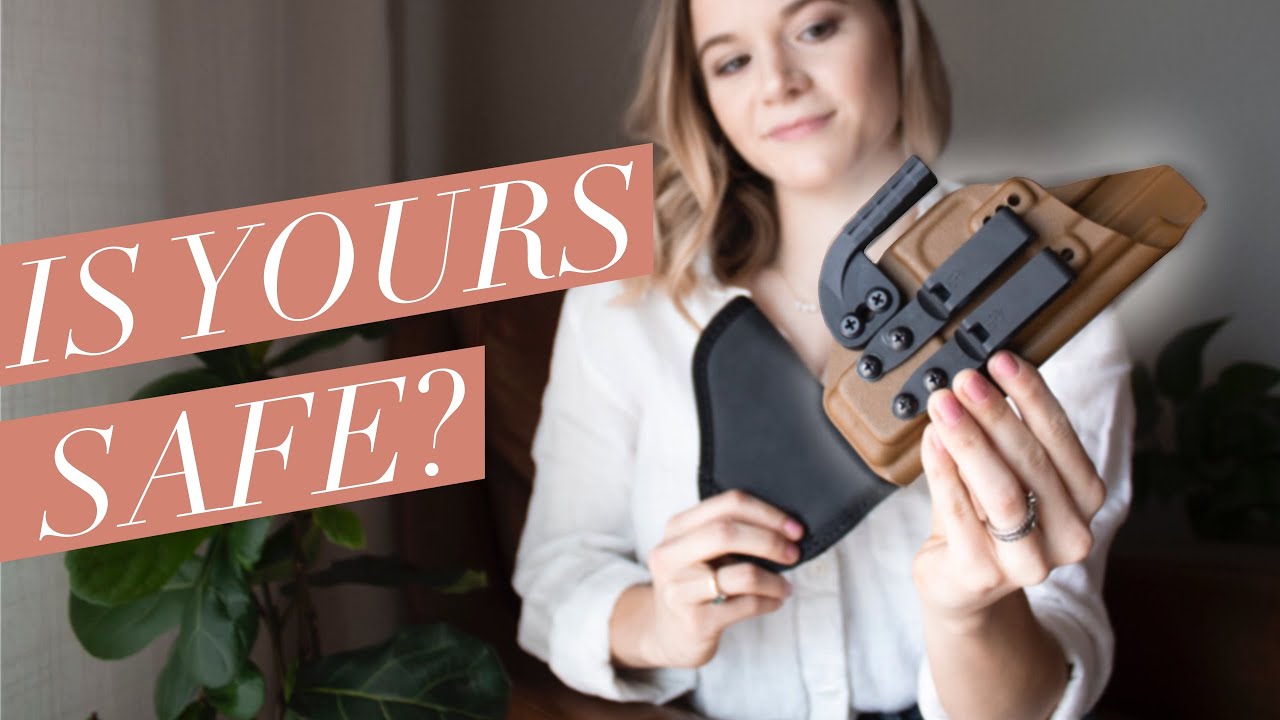
Concealed Carry Holster Necessities
What about the "shake test"?
The "shake test" is a popular internet sensation — holding the holster upside down and vigorously shaking it. If the gun falls out, the holster "fails." It's popular because it's simple and easy.
The shake test has nothing to do with the real-world performance of the holster. Many poor-quality holsters will "pass" the shake test, and many good-quality holsters will "fail" it. You can also manipulate the results by simply changing where you squeeze the shell.
IWB holsters are designed to be worn between your belt (or Enigma) and your body. The pressure of your belt against the front of the holster provides inward force. Your body provides surface area, friction, and pressure on the other side of the gun, effectively sandwiching the gun between two sources of pressure.
This belt + gun + body pressure sandwich adds a ton of extra retention. It's why you can do cartwheels, jump on a trampoline, or survive a car accident while wearing a well-designed holster — even though those things generate much more force than the shake test.
Real-world example: rollover car accident
PHLster Concealment Workshop member David Appleman survived this rollover car accident while carrying a Glock 43X in a PHLster Pro Holster, worn in the appendix position. Despite the severity of the crash, his gun stayed put and he did not sustain any major injuries. (Note that he was wearing his seatbelt correctly.)

When you shake an IWB holster upside down, you're missing the whole pressure part of the pressure sandwich, so your retention will feel much lighter than it would when wearing the holster. If you try to adjust your retention to make it feel right in your hand, it's going to be a lot tighter than necessary — which can slow down or foul your draw.
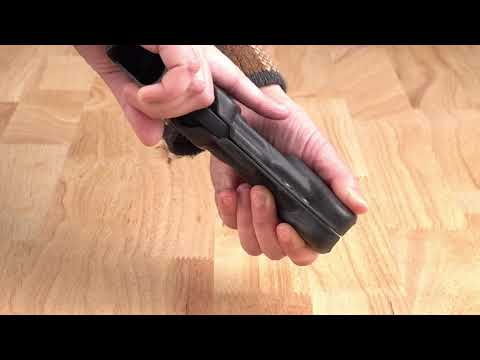
In the video below, watch how simply changing where you hold the holster changes the retention. Holding the edges lets the gun fall out easily because no pressure is applied to the face of the shell. But when you squeeze the shell where your belt would apply pressure, retention gets much tighter:
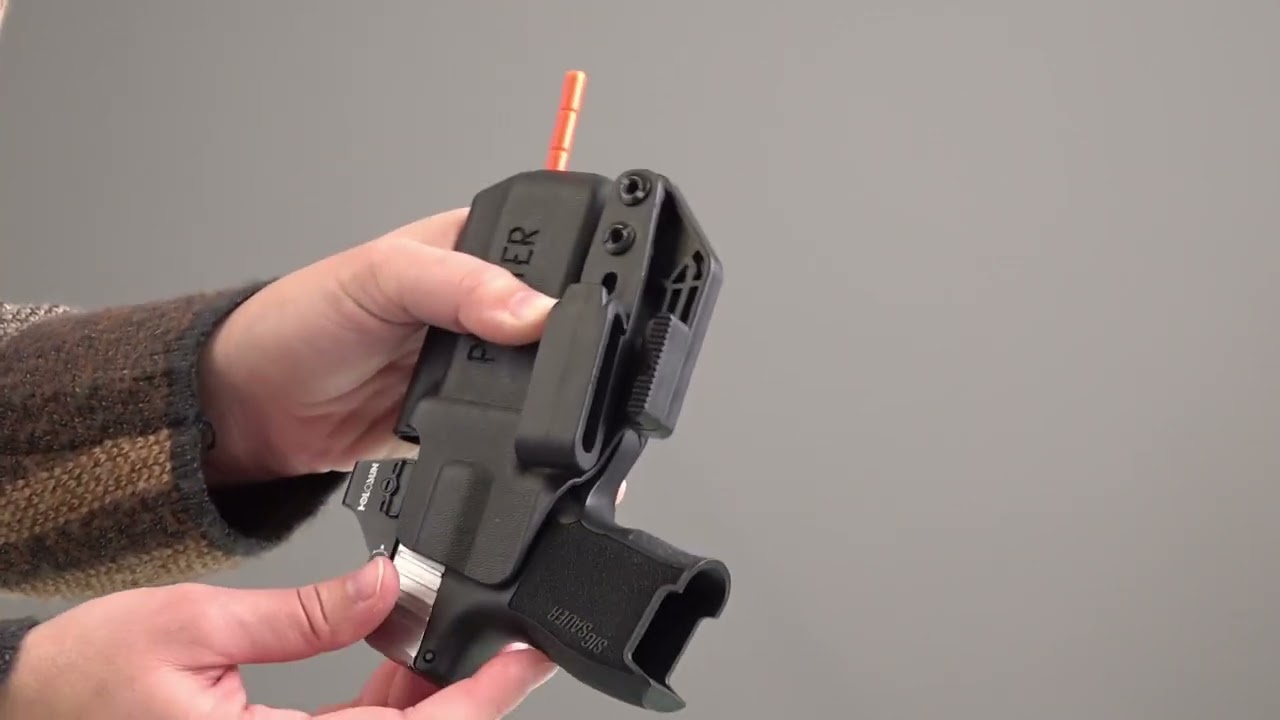
Retention — Why the Shake Test Isn't Accurate
Bottom line: some shake-testing is fine for routine handling (donning and doffing, bathroom breaks). But it doesn't tell you anything meaningful about on-body retention. Test the way you'll actually wear it.