
SUPPLEMENTS
Posted by Tamara Keel on Dec 9th 2025
For good or ill, shooting… and especially handgun shooting …has been a very dude-coded activity. When I was first exposed to the industry in the early Nineties, there wasn’t much info targeted to a gender-neutral sports medicine approach to running a pistol at a high level out there. Lots of bro-science, “get you some Captains of Crush grip strength trainers,” and similar.
This is understandable because a lot of trends that drive technique come from the crucibles of action pistol competitions, primarily USPSA and IDPA, and those are very much actual sports. I remember my friend Caleb Giddings describing one of his early trips to SHOT, where he got to meet many of his action pistol heroes for the first time by saying, “They all have freakish grip strength when you shake their hands. Even Julie Golob.”
There’s no doubt that grip strength is a factor in achieving peak handgun shooting performance, but it’s not the only factor.
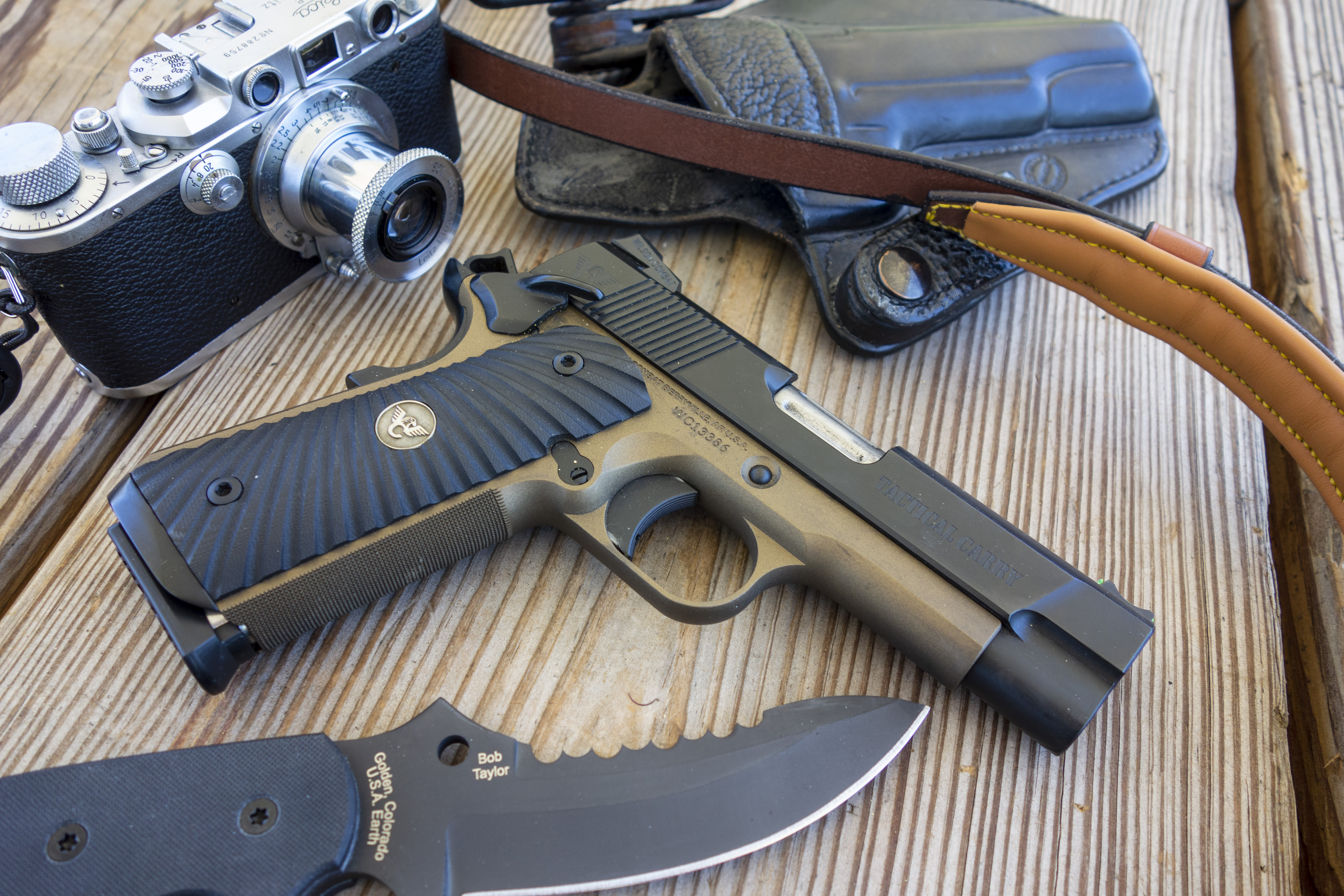
I grew up behind the counters of camera stores back in the days of film photography and even worked as a photographer’s assistant for a bit in my early twenties.
Back in those days, before cameras and lenses had special mechanisms to reduce the effect of camera motion while taking a picture, I remember it being super difficult to avoid blurring the photo at slower shutter speeds. (“Slow”, in shutter speed terms, being like 1/40th or 1/80th of a second.)
I got out of photography for a long while, and when I started getting back into it seriously in 2013-2014, I was amazed at how much better I’d become at holding the camera still at slow speeds.
It took me a little while to process it before I realized that I’d also spent the last several years practicing another skill that required holding an object weighing one or two pounds still in my grasp while pressing on it with only one finger… while not moving the other nine digits!
Hobbies That Build Shooting Skills
This is something I’ve thought about off and on over the intervening years. Nobody wants to be a bad shooter, especially if you carry a firearm in public for personal protection, which I can assume you do, since you are reading my words here.
At the same time, not everyone is going to go to the extent of turning handgun shooting into one of their primary hobbies, one on which they spend half an hour or an hour every day training to master. So what other hobbies offer some kind of synergistic benefit to one’s shooting skills?
Grip Strength
Well, as mentioned, shooting involves grip strength, so any sport that involves exercising one’s grip, from tennis to joining the company softball team to spending more time with weights at the gym, is going to have a payoff in being able to “grip the gun twenty percent tighter!” as Todd Jarrett was fond of advising us all in that one class.
Stillness and Trigger Control
One other crucial skill to which I’ve alluded above is “stillness”, or the ability to… once one has an adequate sight picture for the shot one needs to take …manipulate the trigger straight to the rear without disturbing the sight picture by making spasmodic motions with one’s other fingers.
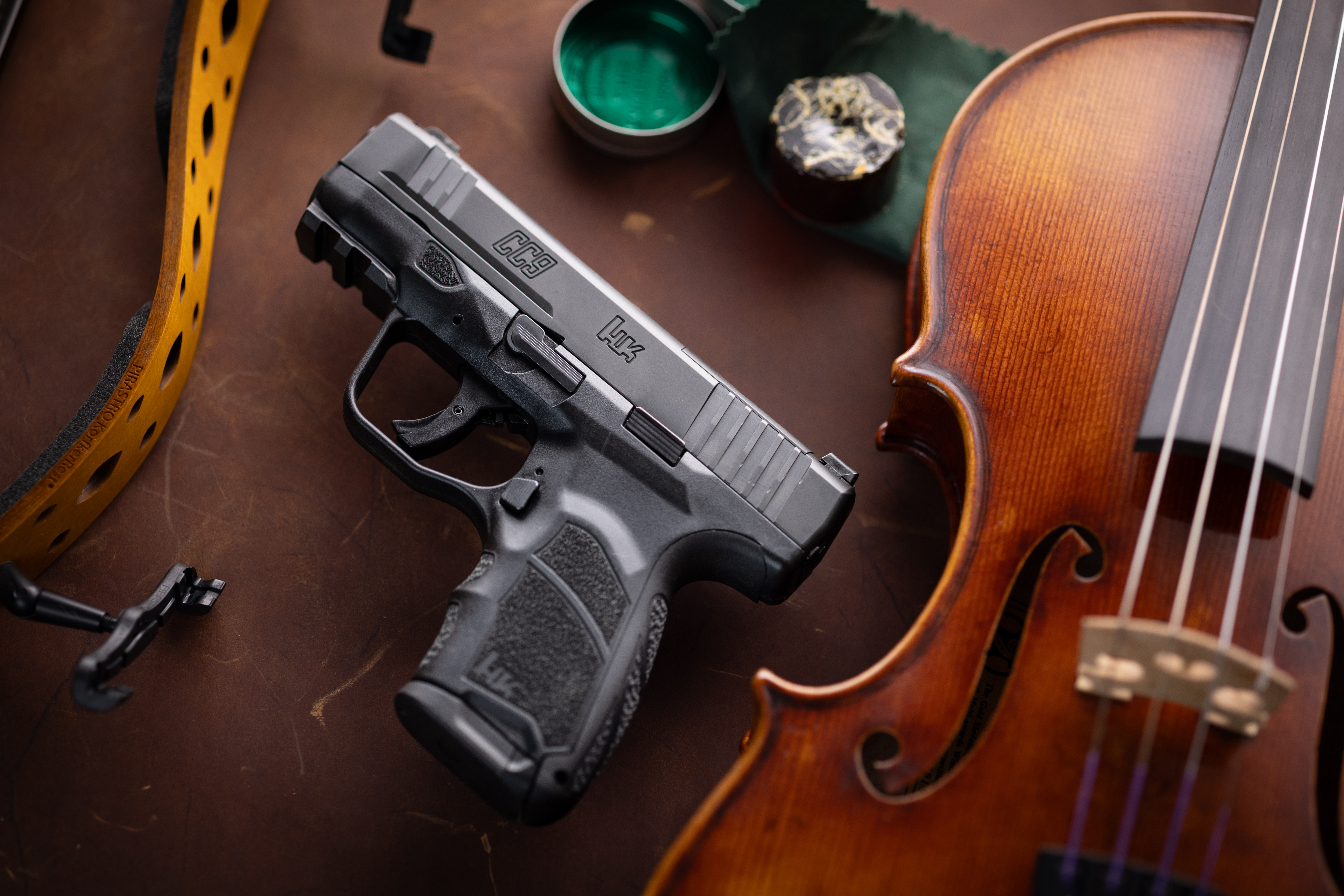
Photography is a hobby that requires a very similar physical toolkit, but a lot of other normie hobbies feature a lot of crossover skills. Playing any instrument, or even having excellent touch-typing skills, involves having a lot of individual finger control, which can’t help but pay dividends. Stringed instruments, like the violin or guitar, may even have more. You may need to put a lot of pressure on one string of the cello with one finger in a certain place while your other fingers are free to go about their business.
Pretty much anything that puts an emphasis on extremely fine motor control in the fingers while maintaining unhurried breathing and calmness will probably prove beneficial. I can’t prove that people who do needlepoint or paint miniatures have a leg up in pistol shooting talent versus those who don’t, but if anyone wants to front money for that study, I bet it would be a lot of fun!
Visual Sprinting
Another physical skill is called “visual sprinting”, or the ability to shift focus rapidly and fluidly back and forth between the target and the front sights. For that, we’re back to the company softball team, or maybe take up ping pong?
Beyond the Handgun: Verbal and Social Skills
If we expand this beyond merely running the handgun to the broader arena of self-protection, trainer Craig Douglas has talked about the ideal practitioner having “the pistol skills of a USPSA Grand Master, the hand-to-hand skills of a black belt in Brazilian Jiu Jitsu, and the verbal agility of a stand-up comedian.”
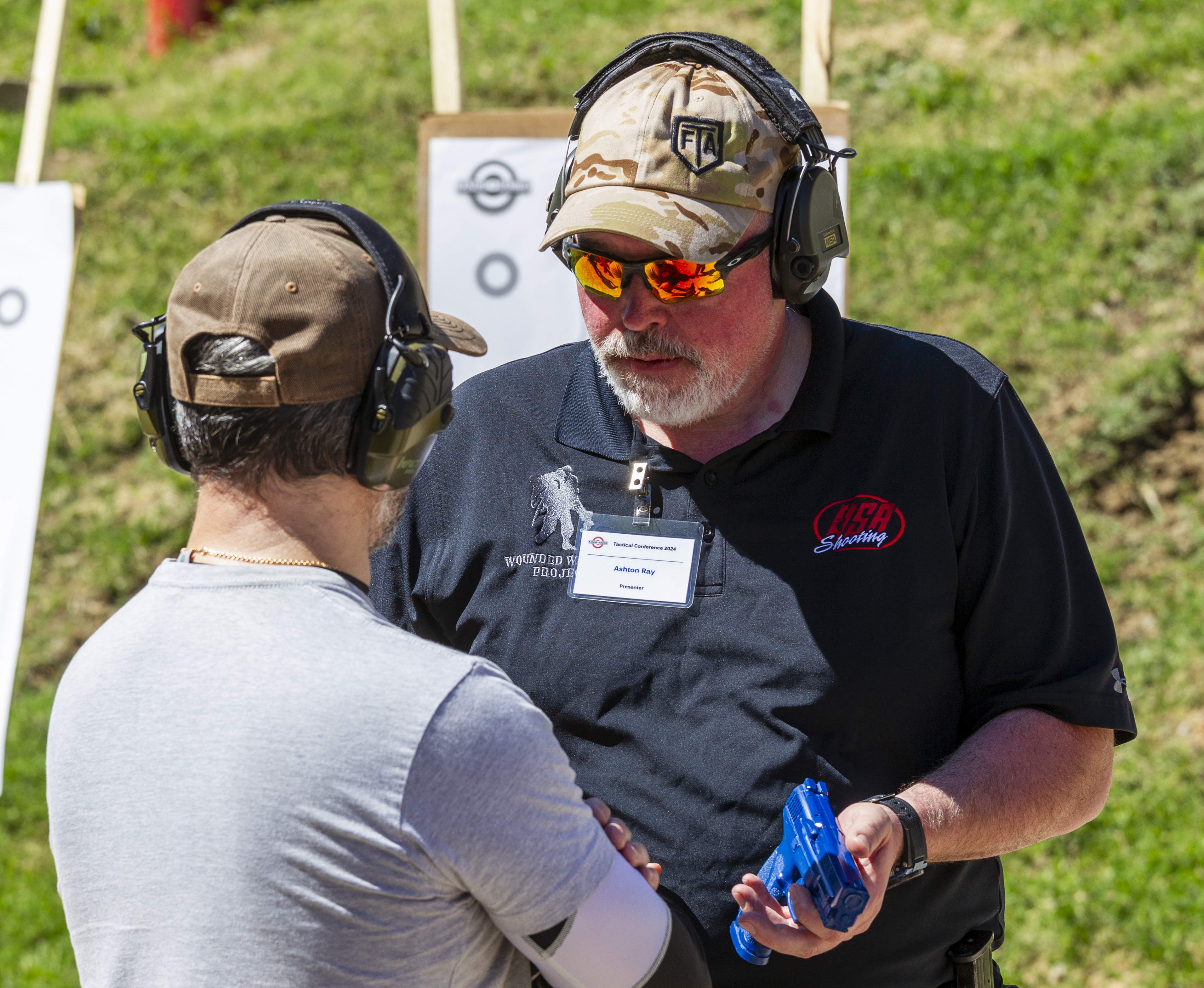
Everyone loves focusing on the first two, but the ability to manage a verbal encounter while staying detached and observant of one’s surroundings is a very overlooked ability. Not everyone wants to join Toastmasters or go on stage for open mic night at the local comedy club, but participating in a tabletop gaming fun night with other friends in meatspace instead of another night bingeing Netflix or doomscrolling on social media will do wonders for keeping the edge on the skill of being able to interact with one’s fellow humans in real time.
You don’t need to be some self-defense monk with a practice regimen copied from this year’s USPSA celeb to pick up some transferable skills for self-protection. Just look around you and see what helps!